
By Tomilola Aluko, Research and Development Associate at INAF .
Food is more than what we eat. It is a reflection of the choices available to us, the income we earn, the market, and the systems that bring food from farms to our plates.
In Nigeria, these factors are changing rapidly. Rising food prices, economy, urbanisation, changing consumer preferences, the growing presence of packaged foods, and persistent challenges in food distribution are reshaping how people access and consume food. For many households, the challenge is no longer simply finding something to eat but obtaining food that is safe, nutritious, affordable, and available consistently.
This changing food environment presents an important question: how can Nigeria harness innovation to ensure that improvements in food production, processing, distribution, and retail translate into better nutrition for its population?
As the world marks World Food Day 2026 under the theme “Innovate Today. Nourish Tomorrow,” the answer requires us to look beyond producing more food. It calls for innovation across the entire food value chain, supported by evidence, effective regulation, and policies that place people’s nutritional needs at the centre.
Nigeria’s food environment: A growing challenge
Nigeria has significant agricultural potential, diverse indigenous foods, and a large network of farmers, processors, traders, and retailers across locations. Yet, this potential does not automatically translate into reliable access to nutritious food for everyone.
According to the Food and Agriculture Organization of the United Nations (FAO), approximately 36.3 million people in Nigeria were estimated to face acute food insecurity during the June to August 2026 season, representing about 17% of the population covered by the assessment. This included people experiencing crisis-level food insecurity and more severe conditions. Conflict, economic pressures, and disruptions to livelihoods and markets were among the contributing factors (FAO, 2026a). These figures highlight the scale of the challenge facing households across the country.
The affordability of food is particularly important. When household incomes struggle to keep pace with food prices due to inflation, families may reduce the quantity or diversity of food they consume. Foods that provide important nutrients, including fruits, vegetables, dairy products, eggs, fish, and other protein-rich foods, may become harder to include regularly in household meals.
The State of Food Security and Nutrition in the World 2025, published by the FAO, identifies high food-price inflation as an important factor undermining purchasing power and access to healthy diets, particularly among low-income households, women, and rural communities (FAO et al., 2025).
This suggests that food security cannot be measured by food availability alone. People must also have the financial means to access diverse, nutritious foods, alongside the facilities and knowledge needed to store, prepare, and consume them safely.
For Nigeria, innovation must therefore address not only how food is produced but also how its cost, distribution, and availability affect people’s ability to maintain healthy diets.
The changing food marketplace: Convenience, nutrition, and consumer protection
Another important development in Nigeria’s food environment is the growing availability of packaged, processed, and ready-to-eat foods. These products ⁶can offer convenience, longer shelf life and wider distribution for consumers balancing work, transport, and household responsibilities; they can be attractive options. However, the nutritional quality of packaged foods varies.
A 2025 study published in Frontiers in Nutrition examined 883 pre-packaged food products collected from selected stores and supermarkets in nine Nigerian state capitals. The researchers assessed the products against Nigerian food-labelling requirements and selected international food-labelling criteria.
The study found that only 56.5% of the products met the study’s criterion for declaring priority nutrients, while 39.1% complied with quantitative ingredient declaration requirements. The researchers concluded that, although compliance with several general labelling requirements was high, gaps remained in important areas of nutritional and ingredient information (Iheme et al., 2025).
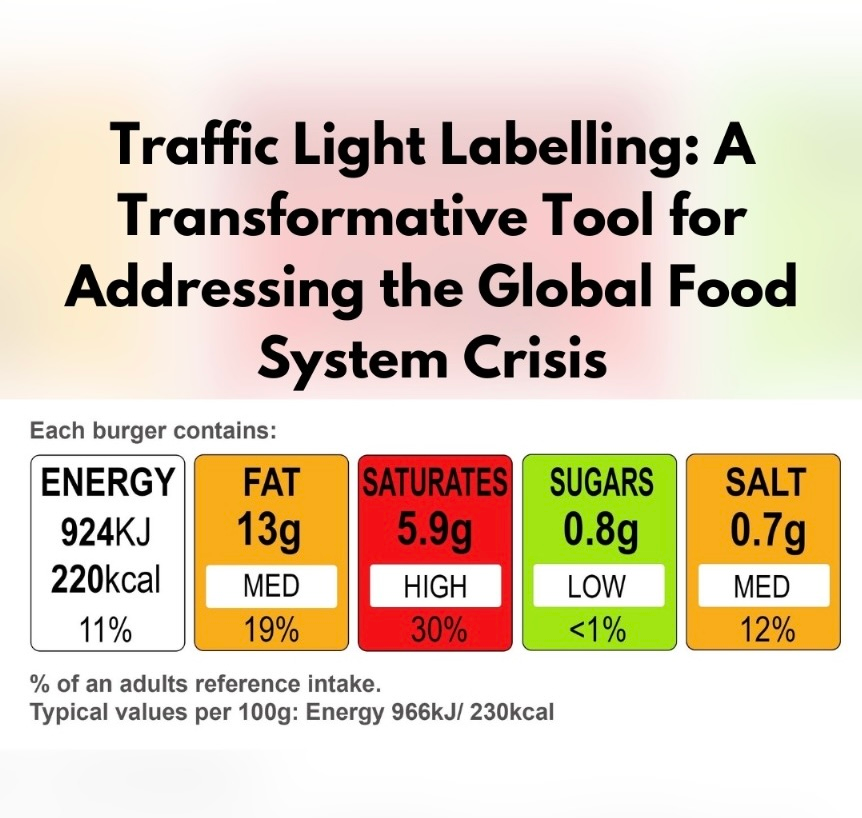
These findings highlight an important consumer-protection issue. Food labels are intended to help consumers understand what they are buying, identify ingredients and allergens, and compare products where the necessary information is available.
When nutritional information is missing or difficult to interpret, making informed choices becomes more challenging. This matters particularly in an environment where price and convenience already strongly influence purchasing decisions.
Importantly, this does not mean that all packaged foods are unhealthy or that processing is inherently undesirable. Food processing can improve convenience, preservation, safety and accessibility. The concern is whether the products available, the information provided and the choices promoted support good nutrition.
Newer evidence from Nigeria also strengthens the case for greater attention to the nutritional quality of packaged foods. In a 2026 study, Iheme and colleagues assessed the nutritional profiles of 883 pre-packaged foods using the World Health Organization’s African Region nutrient-profile model. The researchers reported that a majority of products exceeded marketing thresholds for one or more critical nutrients, highlighting the need for stronger regulatory measures, improved nutrient disclosure and product reformulation (Iheme et al., 2026).
Taken together, these studies suggest that innovation in the packaged-food sector should extend beyond new flavours, attractive packaging and longer shelf life. It should also include improving nutritional quality, making labels more informative and supporting responsible product development.
For manufacturers, this creates opportunities to reformulate products where necessary, improve transparency and develop convenient options that better meet consumers’ nutritional needs. For regulators, it reinforces the importance of monitoring compliance with food-labelling requirements and ensuring that nutrition-related claims are accurate and appropriately supported.
For consumers, accessible nutrition education can help make food information more meaningful. However, education alone cannot solve the problem if healthier products remain unaffordable or unavailable.
From farms to markets: Reducing losses and improving affordability
The journey from food production to consumption is another area where innovation can make a significant difference.
Food may be available at the farm gate but become less accessible by the time it reaches consumers because of transportation costs, inadequate storage, spoilage, inefficient distribution and other supply chain challenges. These problems can be particularly consequential for perishable foods such as tomatoes, peppers, leafy vegetables, fruits, fish and other fresh produce.
The FAO’s 2026 report on food security and nutrition emphasises that the cost of nutritious foods is influenced not only by production, but also by activities further along the value chain, including storage, processing, transportation and retail. Poor roads, inadequate cold chains, unreliable energy and inefficient markets can increase the cost of foods that are important for a healthy diet (FAO et al., 2026).
For Nigeria, this means that increasing agricultural output is only part of the solution. Food must also be preserved, transported and distributed efficiently if production gains are to translate into better access for consumers.
Several practical innovations could help.
First, affordable storage and cold-chain solutions. Solar-powered cold rooms, shared storage facilities, improved refrigeration and appropriate packaging could help preserve perishable foods, particularly in areas with unreliable electricity. Such solutions should be designed around the needs and financial capacity of smallholder farmers, traders and local food businesses.
Second, better market information and distribution. Digital platforms can help producers identify buyers, coordinate deliveries, access market-price information and reduce avoidable delays. When appropriately designed, these systems can improve coordination between farmers, transporters, wholesalers and retailers.
Third, improved food processing and preservation. Drying, fermentation, milling, freezing and other appropriate preservation techniques can extend the usability of seasonal foods, reduce spoilage and create opportunities for value addition. Their benefits depend on suitable processing methods, food-safety controls and the retention of important nutritional qualities.
Finally, investment in rural infrastructure. Better roads, reliable energy and accessible processing facilities can reduce the costs associated with moving food from production areas to markets.
These interventions will not automatically lower retail prices; their impact depends on implementation, market conditions and whether efficiency gains reach consumers. Nevertheless, they offer practical opportunities to reduce avoidable costs and improve the availability of diverse foods.
Innovation should ultimately be judged not only by how much food it helps produce or preserve, but also by whether it improves access to nutritious food for the people who need it.
Food safety: Making sure the food available is safe to eat
A food environment that provides affordable food but cannot adequately protect consumers from foodborne hazards is not a healthy food environment.
Food can become contaminated at different stages, including production, processing, transportation, storage, preparation and sale. Unsafe water, poor sanitation, inadequate temperature control and improper handling can introduce risks that affect consumers and undermine the benefits of a nutritious diet.
The World Health Organization’s estimates of the global burden of foodborne disease indicate that contaminated food causes approximately 600 million illnesses and 420,000 deaths annually worldwide, based on estimates published in 2015. Children under five account for a disproportionate share of the burden, with an estimated 125,000 deaths each year (WHO, 2015).
These are global estimates rather than Nigeria-specific figures, but they demonstrate why food safety must remain a public-health priority.
In Nigeria, improving food safety requires solutions that account for the diversity of the food marketplace, including formal processing facilities, open markets, small food businesses and street-food vendors.
Innovation need not always involve sophisticated technology. It can include affordable handwashing stations, access to clean water, improved food-storage facilities, practical food-safety training, better market sanitation and clearer procedures for reporting food-safety concerns.
Technology can complement these interventions through improved laboratory capacity, digital traceability, food-safety surveillance and more efficient reporting systems. Traceability can help identify where a product originated and support investigations when contamination occurs, although it must be backed by reliable records, effective oversight and cooperation across the supply chain.
Regulatory agencies also need the capacity to monitor compliance, identify risks and support food businesses in adopting safer practices.
Food safety should therefore be integrated into food-security and nutrition programmes rather than treated as a separate concern. The objective is not merely to make food available, but to ensure that the food reaching households is safe and fit for consumption.
Making innovation work for Nigeria
Although technology can contribute to improving the food environment, innovation is not automatically beneficial simply because it is new. Its value depends on the problem it solves, the people it reaches and the outcomes it produces.
For Nigeria, at least five priorities deserve attention.
1. Make nutritious foods more affordable
Policies should support the production, processing and distribution of diverse, nutrient-rich foods. Improving infrastructure, reducing avoidable supply-chain costs and strengthening market access can contribute to affordability.
Targeted support for vulnerable households is also important. The FAO, IFAD, UNICEF, WFP and WHO (2025) emphasize the need for coordinated policies that address food-price pressures while protecting populations most at risk.
Interventions should be assessed by whether they improve access to a healthy diet, not only whether they increase the supply of staple foods.
2. Invest in local foods and context-appropriate innovation
Nigeria’s indigenous foods, including legumes, grains, roots, tubers, fruits and vegetables, offer opportunities for developing nutritious, culturally familiar and accessible food products.
Research and product development can help improve the processing, preservation, convenience and market value of these foods. Such efforts should consider local dietary preferences, nutritional quality, affordability and the needs of different population groups.
Supporting local food enterprises can also create opportunities for employment and value addition while strengthening connections between producers and consumers.
3. Strengthen food labelling and responsible product development
The findings of the NigeFE studies show why nutritional quality and food-label transparency deserve greater attention (Iheme et al., 2025, 2026).
Regulatory officials should encourage accurate, accessible information and compliance with applicable requirements. Manufacturers should also be supported in improving the nutritional quality of products and ensuring that nutrition-related claims are properly substantiated.
For advocacy organisations, this is an opportunity to promote evidence-informed policies that protect consumers while encouraging responsible innovation in the food industry.
4. Use evidence to measure what works
Food and nutrition interventions should be evaluated against clear outcomes. Relevant indicators include the affordability of healthy diets, dietary diversity, food-safety compliance, post-harvest losses, nutritional quality of food products and access to food among vulnerable populations.
Research can help identify which approaches work, where they work best and what changes are needed to improve their impact.
For example, an intervention that introduces cold storage should be assessed not only by how much produce it preserves, but also by its effect on farmers’ income, retail prices, food availability and the economic feasibility of maintaining the facility.
Similarly, nutrition education programmes should examine whether consumers understand food labels and whether that understanding translates into more informed choices within their financial circumstances.
Evidence must therefore inform both the design of innovations and decisions about whether they should be expanded, adapted or discontinued.
Building a shared responsibility for better nutrition
Transforming Nigeria’s food environment requires collaboration across government, research institutions, the private sector, civil society and communities.
Communities and consumers also have a role to play. However, responsibility for healthy eating should not be placed entirely on individuals. Consumers can make informed choices only when they have access to reliable information and realistic, affordable options.
A healthier food environment is therefore a shared responsibility, requiring both individual awareness and structural changes that make safe, nutritious food more accessible.
Nigeria’s changing food environment presents both significant challenges and opportunities. Food-price pressures, gaps in nutritional information, food-safety risks and inefficiencies in food distribution demonstrate that producing more food alone will not guarantee better nutrition.
Innovation can help bridge these gaps, but it must be guided by evidence and designed around people’s needs. It should help farmers preserve more produce, enable food businesses to adopt safer practices, support manufacturers in improving nutritional quality, help consumers make informed choices and make diverse, nutritious foods more affordable.
As Nigeria considers the future of its food environment, the priority must be to connect innovation with measurable improvements in food access, dietary quality, food safety and livelihoods.
The true measure of innovation is not simply how new a solution is, but how meaningfully it improves people’s access to safe, nutritious and affordable food.
As Improved Nutrition Advocacy Foundation (INAF), we contribute to this effort by supporting evidence generation, engaging relevant stakeholders and advocating for policies that improve the nutritional quality of foods, particularly those consumed by children.
This World Food Day, the call to “Innovate Today. Nourish Tomorrow” should inspire action across the entire food value chain. By investing in practical solutions, strengthening evidence-informed policies and putting nutrition at the centre of decision-making, Nigeria can move towards a food environment that supports healthier people, stronger livelihoods and a more nourished future.
References
- Food and Agriculture Organization of the United Nations (FAO). (2026a). FAO GIEWS country brief: Nigeria. Global Information and Early Warning System on Food and Agriculture. https://www.fao.org/giews/countrybrief/country.jsp?code=NG
- Food and Agriculture Organization of the United Nations (FAO). (2026b). The State of Food Security and Nutrition in the World 2026: Understanding and addressing the high cost of a healthy diet. FAO. https://www.fao.org/publications/fao-flagship-publications/the-state-of-food-security-and-nutrition-in-the-world
- Food and Agriculture Organization of the United Nations (FAO), International Fund for Agricultural Development (IFAD), United Nations Children’s Fund (UNICEF), World Food Programme (WFP), & World Health Organization (WHO). (2025). The State of Food Security and Nutrition in the World 2025: Addressing high food price inflation for food security and nutrition. FAO. https://doi.org/10.4060/cd6008en
- Iheme, G. O., Egechizuorom, I. M., Edafioghor, L. O., Okonkwo, E. M., Olah, L. E., Onyeonu, B. A., Kupoluyi, O. E., Enuka, H. C., Adile, A. D., Hajara, I., Ogbonna, O. C., Asouzu, N. C., & Ikejiofor, C. (2025). Compliance of pre-packaged food products with Nigerian food labelling guidelines: The NigeFE study. Frontiers in Nutrition, 12, 1644344. https://doi.org/10.3389/fnut.2025.1644344
- Iheme, G. O., Onyeonu, B. A., Kalu, F. C., Onuorah, U. M., Ogu, F. C., Uzokwe, C. A., Ikejiofor, C., & Samuel, F. O. (2026). Nutritional quality of pre-packaged foods in Nigeria: Findings from the NigeFE study. Frontiers in Nutrition, 13, 1873374. https://doi.org/10.3389/fnut.2026.1873374
- World Health Organization (WHO). (2015). WHO estimates of the global burden of foodborne diseases: Foodborne disease burden epidemiology reference group 2007–2015. WHO. https://www.who.int/publications/i/item/9789241565165