GPNI’s work is grounded in three interconnected Pillars of Impact, each addressing a critical lever in the transformation of food systems for children in low- and middle-income countries (LMICs). These pillars reflect GPNI’s systems-based approach and commitment to long-term, sustainable change.
Many commercially produced foods for children (CPFC) on the market are high in added sugars, sodium, and unhealthy fats. Improving their nutrient quality directly addresses malnutrition, particularly overweight and obesity in children. Poor-quality commercially produced foods for children contribute directly to childhood stunting, micronutrient deficiencies, and early-onset non-communicable diseases (NCDs). In LMICs, SMEs contribute over 70% of food production but are often overlooked in global nutrition interventions. Supporting these enterprises builds resilient food systems and ensures healthier options are locally available and affordable. Aligning with WHO guidelines also increases regulatory credibility and global relevance. However, evidence is key to accountability. Policymakers, investors, and caregivers need transparent data to make informed decisions. Public databases and scorecards can drive product improvement and policy reform.
Nutrition is a complex issue that no single actor can solve. Collaboration ensures diverse perspectives, resource pooling, and more sustainable change. Accountability frameworks ensure that promises translate into real-world impact.
However, in many LMICs, food regulations—if they exist—do not specifically address the unique nutritional needs of children. Policies around labelling, marketing restrictions, taxation of unhealthy ingredients, and nutrient profiling are often fragmented or poorly enforced. Without robust regulatory frameworks, unhealthy food products continue to flood markets, misleading caregivers and undermining children’s health. Enabling policy environments is critical to driving systemic change. Without effective regulations, harmful products continue to dominate children’s diets. GPNI can bridge gaps between evidence and policy by offering actionable recommendations.
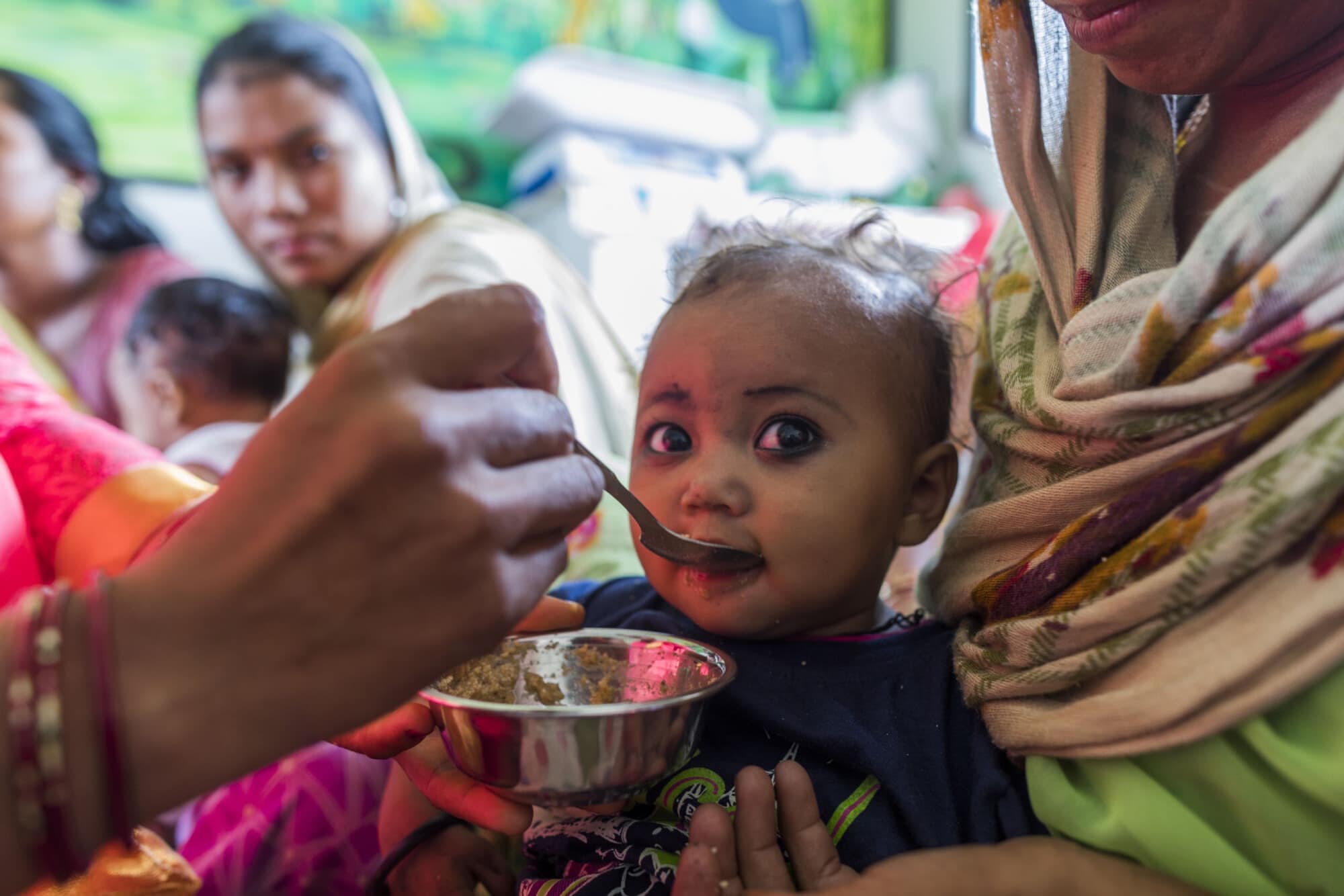
Caregivers are the gatekeepers of young children’s diets. Empowering them with knowledge and tools ensures demand for nutritious foods and reduces vulnerability to aggressive marketing of poor-quality products.
Awareness is a powerful catalyst for change. In many LMIC contexts, caregivers lack sufficient information to make healthy food choices for their children. Misleading claims, attractive packaging, and the affordability of ultra-processed foods often push families toward poor nutritional decisions. At the same time, many SMEs remain unaware of nutrition standards or the growing demand for healthier alternatives.