
Written By: Bolanle Dada (RD), Scientific Researcher at LIA
The widespread occurrence of unhealthy diets, driven by the high consumption of food and beverages rich in sugar, sodium, saturated fats, trans fats, and other harmful additives, has paved the way for significant policy actions. These actions aim to protect vulnerable groups, particularly children, from poor food environments while improving nutritional outcomes. Less Is Adequate is dedicated to advocating for policies that address these critical issues across low- and middle-income countries (LMICs), with a special focus on foods and beverages consumed by children under the age of five. This article examines examples of effective policies tailored to local contexts and evaluates their impact.
Chile: Front-of-Package Labelling and Marketing Restrictions
- Chile has faced one of the highest rates of childhood obesity in Latin America. According to the Chilean Government, prevalence of child obesity rose from 16% in 2009 to over 26% in 2022. This outcome is exacerbated by food environments flooded with ultra-processed foods, unclear labelling, and aggressive marketing targeting children. To combat this, the Chilean government introduced the Law of Food Labeling and Advertising in 2016, following guidelines from the WHO Nutrition Labelling Policy Brief.
Policy Actions:
- The law mandated front-of-package warning labels on foods and beverages high in sugar, salt, calories, or saturated fats. The black stop-sign-shaped icons are designed to be highly visible and easily understood.
- The marketing of unhealthy foods, including those high in unhealthy fats, sugar, and additives in harmful quantities was banned. This included restrictions on using cartoon characters, mascots, or advertisements targeting children during their programming hours

FoPL in Chilean Products. Source: Healthy Caribbean
Impact:
In 2020, a study that involved trained dietitians found that compliance with the labelling requirements on packaged products in supermarkets reached an impressive 93.6%, highlighting the effectiveness of Chile’s mandatory policies and monitoring systems. A recent research on changes in food purchases before and after the law’s implementation found that the policy reduced purchases of products high in sugar and saturated fats, leading to a measurable decline in the consumption of nutrients of concern with the law led to a significant reduction in their exposure to unhealthy food advertisements. A 73% reduction in children’s exposure to television adversitements for foods and beverages high in sugar, sodium, or saturated fats following the enactment of the policy was reported, according to another study. While significant health challenges remain, Chile’s approach underscores the transformative potential of strong food labelling and marketing restrictions.
Mexico: Soda Taxes and Food Labelling
Mexico has been a trailblazer in implementing fiscal and labelling policies to reduce the consumption of unhealthy foods and beverages.
Policy Actions:
- In 2014, Mexico introduced a sugar-sweetened beverage tax of 10% (one peso per litre), becoming one of the first countries to adopt such a measure.
- In 2019, the government adopted Chile-style front-of-package warning labels, which came into effect in 2020. These labels include octagonal icons with the word “excess” to indicate high levels of calories, sugar, saturated fats, trans fats, or sodium. Products with caffeine or non-nutritive sweeteners carry additional rectangular labels stating “Avoid” or “Not recommended for children.”
- Products with warning labels are prohibited from featuring mascots, games, or advertisements targeting children.
Brands in Mexico adapt their packaging to comply with the country’s new food and health guidelines, including front-of-package warning labels and restrictions on marketing to children. Credit: Emiliano Paz F
Impact:
The sugar tax led to a 7.6% reduction in sugary drink consumption within the first two years, with even higher reductions among low-income households. The front-of-package warning labels are projected to reduce caloric intake by 36.8 kcal per person per day, potentially decreasing obesity prevalence by 4.98 percentage points over five years. Moreover, the labelling policy incentivised food manufacturers to reformulate products to avoid warning labels, demonstrating the effectiveness of such measures in reshaping food production and consumption patterns.
Brazil: Emphasis on Whole Foods Over Processed Foods
Brazil’s policies focus on promoting whole foods and discouraging ultra-processed products through comprehensive dietary guidelines and regulatory measures.
Policy Actions:
- Front-of-Package Nutrition Labels: After a six-year consultation process, Brazil introduced mandatory front-of-package labels in 2020. These labels use clear icons to highlight high levels of added sugar, sodium, or saturated fat.
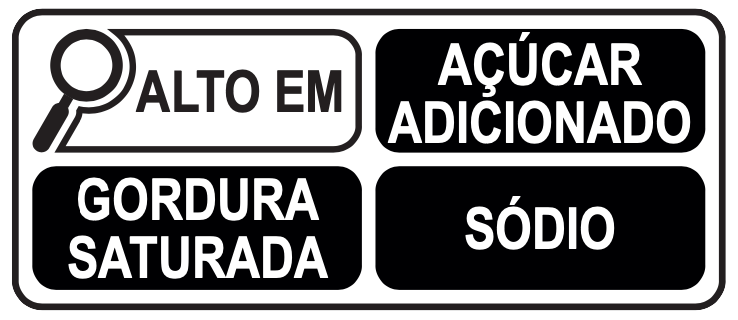
Source: Global Food Research Program
- Trans-Fat Restrictions: In 2019, Brazil’s National Agency of Sanitary Surveillance (ANVISA) adopted regulations to limit industrially produced trans fats to 2% of total fat in all foods and oils (effective July 2021) and to completely ban partially hydrogenated oils (PHOs) by January 2023.
- Advertising Restrictions: Resolution 163 of the National Council for the Rights of Children and Adolescents (CONANDA) prohibits advertising directed at children under 12. However, enforcement of this policy remains inconsistent.

Source: Global Health Incubator
Impact:
Brazil’s adoption of the NOVA classification system, which categorises foods by processing levels, has set a global benchmark. By clearly identifying ultra-processed products, the system discourages their consumption, contributing to a slower increase in obesity rates and a reduction in ultra-processed food purchases. Brazil’s policies demonstrate how food processing regulations can be integrated into public health strategies to improve nutrition outcomes.

Source: Nutritional Psychology
South Africa: Strengthening Labelling Standards
South Africa has made strides in food labelling regulations, with mandatory ingredient lists and nutritional information panels required for products making nutrient claims such as “low fat” or “fortified.”
Policy Actions:
- A 2023 draft regulation under the Foodstuffs, Cosmetics, and Disinfectants Act mandates specific font sizes for product labels to improve legibility. It also requires accurate product descriptions, declarations of country of origin, and prohibited misleading statements.
Impact:
A recent study comparing three front-of-package labelling schemes in South Africa found that nutrient warning labels significantly reduced participants’ intention to purchase unhealthy products. Warning labels were more effective than “traffic light” systems in helping consumers quickly identify unhealthy options, highlighting the potential for these measures to reduce diet-related diseases such as obesity, type 2 diabetes, and hypertension.
Comparative Analysis of Policy Effectiveness
Each of these policy interventions has demonstrated measurable success in reducing the consumption of unhealthy foods and beverages. However, their effectiveness varies based on enforcement mechanisms, cultural contexts, and industry responses:
- Labelling & Marketing Restrictions (Chile, Mexico, Brazil, South Africa): Chile’s labelling and marketing bans are highly effective, with over 90% compliance. Mexico’s adaptation of similar labelling policies has also driven product reformulation, making this strategy highly impactful.
- Taxation Policies (Mexico): Mexico’s soda tax led to immediate and sustained reductions in sugar-sweetened beverage consumption, proving that fiscal measures can effectively modify consumer behaviour, particularly among low-income populations.
- Promotion of Whole Foods (Brazil): Brazil’s NOVA classification system has influenced global dietary guidelines, promoting whole foods over ultra-processed products. This policy requires long-term cultural shifts but has shown promising trends in reducing obesity rates.
- Enforcement & Monitoring (South Africa, Chile): The strength of enforcement plays a critical role in success. Chile and Mexico have robust monitoring frameworks, whereas Brazil and South Africa face challenges in ensuring compliance with advertising and labelling restrictions.
Challenges and Opportunities for LMICs
Many developing countries still lack robust labelling and reformulation policies. Common issues include incomplete ingredient disclosures, poor enforcement mechanisms, and limited public awareness of nutrition information. However, LMICs can adapt successful strategies from countries like Chile, Mexico, and Brazil by:
- Introducing mandatory, easy-to-understand labelling systems tailored to local contexts.
- Building strong monitoring and enforcement frameworks.
- Partnering with multilateral organisations for technical and financial support.
Policies that prioritise children’s nutrition are essential to transform food environments in LMICs. These can build healthier food environments and dietary habits that persist into adulthood, reducing the long-term health and economic burdens of unhealthy diets.