
By: Bolanle Dada (RD), Research Scientist at Less Is Adequate
The decline of healthy food environments comes with severe costs, and the need for healthier food environments has never been more urgent. There has been a rapid and widespread shift towards foods high in sugar, salt, and saturated fats, with lesser consumption of whole grains, vegetables, and fruits, consequently affecting the nutrition of many children, regardless of whether the foods being consumed meet or even surpass their basic energy requirements. This is particularly a significant challenge in low- to middle-income countries (LMICs), where food markets are flooded with unhealthy food products and aggressive marketing strategies specifically targeted at children. The State of Food Security and Nutrition in the World report brings attention to how the consequences of poor diet may not always manifest in children until they are older, leading to long-term health issues such as obesity, diabetes, and other non-communicable diseases.
A key strategy for tackling this challenge is food reformulation, which is “the process of altering the processing or composition of a food or beverage product to improve its nutritional profile or to reduce its content of ingredients or nutrients of concern,” according to the World Health Organisation.
Source: Food Navigator
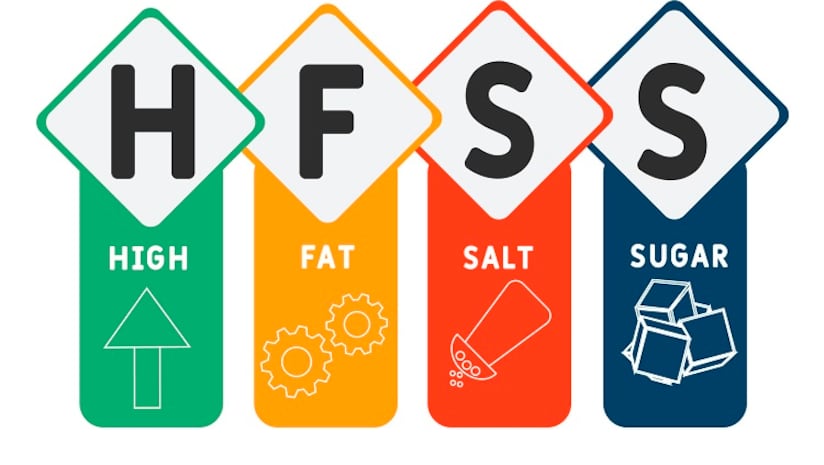
Reducing unhealthy and potentially harmful ingredients like excess sugar, salt, unhealthy fats (HFSS), and additives while increasing beneficial nutrients plays a major role in promoting health, particularly for children, who are most vulnerable to poor dietary choices. This article delves into the potential that small and medium-sized enterprises (SMEs) hold to lead reformulation efforts, the challenges they encounter, and the support they need to make healthier food options widely accessible.
Evidence of the Impact of Food Reformulation on Health and Nutrition
Food reformulation is one of the most effective ways to transform our food environments. Improving the nutrition quality of processed foods would make healthier options more available and accessible to children, making healthy dietary choices possible even with modest changes in consumer behavior. Several pieces of evidence show that small cuts in sodium, sugar, and trans fatty acids (TFA) can substantially improve health outcomes. For example, a 2023 study conducted in the UK projected that reducing salt intake by 10% could prevent thousands of cardiovascular disease cases each year. As stated by Jing Song at Queen Mary University of London and first author of the Journal of Hypertension analysis, “As a nation, if we cut one gram of salt from our average daily salt intake, this could save over 6,000 lives every year from strokes and heart disease—all of which are completely avoidable—and save the economy £1.5 billion annually.” In the same breath, the efforts of reformulating food products in Mexico, influenced by the taxation on sugar-sweetened beverages (SSBs), drastically reduced the consumption of foods and drinks high in sugar in the country.
Given that numerous health conditions are linked to dietary factors, reducing the detrimental components and enhancing the nutritional profile of processed foods represents a significant opportunity for public health improvement. In addition to reducing salt and sugar, reformulating high-calorie food categories such as pastries, chocolate confectionery, and ready meals could significantly impact public health. A UK analysis, as reported by Nesta found that a 10% calorie reduction in these categories alone could remove 1 billion daily calories from the food supply, leading to a median reduction of 38 calories per person per day. This small shift could prevent thousands of diet-related illnesses and save 300,000 Quality-Adjusted Life Years (QALYs) over 25 years.
Reformulation often starts with nutrition profile modelling by evaluating the nutrient composition of foods and their impact on health to identify areas for adjustments/improvement. Though some industrial food and beverage (F&B) manufacturers in the food industry already use nutrition profiling in packaging, branding, and labelling processes, a more comprehensive approach to reformulation is needed to make lasting improvements in the nutritional quality of products for better health. ATNi’s innovative project on standardising the definition of healthy food products sets to drive increased understanding and harmonisation in the F&B sector on defining and measuring healthy foods using nutrients profiling models (NPMs). Their report investigates three NPMs: the Health Star Rating (HSR) used in Australia and New Zealand, the Nutri-Score used in some EU countries, and the UK NPM. The findings further emphasise the need for the alignment of stakeholders on NPMs.

SMEs as Catalysts for Change
SMEs represent a significant share of food production and distribution, especially in low- to middle-income countries. In India alone, 72 SMEs handle 83% of food, while traditional food supply chains made up of SMEs dominate 50–80% of food economies in Asia and Africa. These enterprises are often more agile than large corporations in innovation and responding quickly to consumer demands for healthier products. They are embedded in local communities and can tailor their products to cultural preferences, thereby having great potential to stimulate an increased demand for healthy food products. Examples of such SMEs include August Secrets, a food processing company in Nigeria that transforms locally sourced ingredients into convenient, healthy meal options for children, aiming to combat malnutrition and promote healthy eating habits from an early age and Ady’s Agro Processing Limited, another food processing business, provide families with healthier cooking ingredients that are low in sodium.
Roadblocks to SME-Led Food Reformulation
SMEs encounter multiple challenges in scaling up food reformulation. These challenges include, but are not limited to, financial constraints, technical knowledge gaps, and complex regulatory environments. Drawing from several studies that evaluated the major barriers SMEs face, the following factors significantly hinder the progress of these businesses:
1. Getting Consumers to Accept Reformulated Products
One of the toughest hurdles for SMEs when reformulating food is making sure consumers still enjoy the product. People are used to how their favorite foods taste, feel, and look, and any noticeable change can lead to rejection. If a reformulated product doesn’t closely match the original, customers may stop buying it, which can lead to significant drops in sales. Some businesses have had to revert to old formulations after poor market response, highlighting the risks involved.
To reduce the chances of rejection, many manufacturers use a strategy known as stealth reformulation, which involves gradually cutting down on ingredients like salt, sugar, and unhealthy fats without openly advertising the change. By making these adjustments slowly over time, consumers are less likely to notice, which helps maintain brand loyalty. While this method has worked well, especially for reducing sodium in processed foods, experts suggest that getting consumers involved in the process could make reformulation even more successful. If people feel included and understand the benefits, they may be more open to healthier changes.
2. Lack of Technical Knowledge
Another major challenge for SMEs is the technical know-how needed to successfully reformulate food products. Reformulation requires a deep understanding of how different components interact, how to maintain texture and flavor, and how to ensure a long shelf life. Many SMEs struggle with knowledge gaps in food science, nutrition, and business strategy, which makes it difficult to create healthier versions of their products without sacrificing quality.
Beyond that, there are regulatory requirements to consider. Reformulated foods must still meet safety and labelling standards, and without the right expertise, SMEs can find it challenging to navigate these rules. Larger companies often have dedicated research teams and resources to experiment with new formulations, but smaller businesses may not have access to the same level of technical support, putting them at a disadvantage.
3. High Costs of Reformulation
Reformulating a food product is not cheap. The process involves researching ingredient alternatives, testing new formulations, modifying production processes, and sometimes even changing packaging to reflect the new product. All of this requires financial investment, and for many SMEs, especially those in low- to middle-income countries, access to funding is limited.
The high costs can also impact consumers. Reformulated foods often come with increased production expenses, which may lead to higher prices on store shelves. If healthier options become too expensive, consumers might opt for cheaper, less nutritious alternatives. This puts SMEs in a tough position to either absorb the additional costs and risk financial strain or pass them on to customers and risk losing sales.
With growing evidence supporting food reformulation, governments worldwide are beginning to implement mandatory calorie reduction targets. However, for SMEs in LMICs to fully participate, structured incentives, such as subsidies for reformulation research and grants for innovative food technology, must be in place to reduce financial barriers
4. Strict and Complicated Regulations
Food regulations are another major barrier to reformulation. Some countries have strict laws governing product composition, labelling, and fortification, and these rules often favour large corporations over small and medium-sized businesses. For example, in certain regions, fortification laws apply only to major food producers, leaving SMEs without clear guidelines or support.
In some cases, non-compliance can result in heavy fines, discouraging SMEs from even attempting reformulation. Tax policies on key ingredients, such as micronutrient premixes, can also make reformulation expensive. On top of that, unclear or inconsistent enforcement of food labelling regulations adds another layer of complexity, making it harder for SMEs to ensure compliance while keeping their products competitive in the market.
Opportunities and Support for SMEs in Healthier Food Reformulation
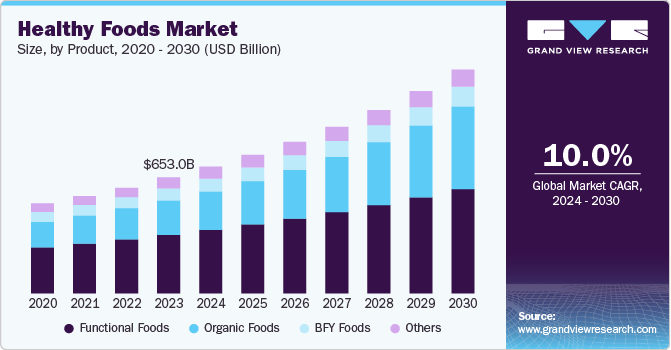
Consumer demand for healthier food is growing. More people are reading food labels, looking for natural ingredients, and avoiding artificial additives. This shift presents both an opportunity and a challenge for SMEs. While there is a clear market for reformulated, health-conscious products, meeting these demands without compromising taste, affordability, and overall appeal remains a difficult task.
Despite these barriers, there are solutions. Supporting SMEs at various stages of the value chain and providing multi-disciplinary expertise can help overcome these challenges and enable SMEs to play a larger role in improving nutrition through food fortification.
For SMEs to fully embrace and implement reformulation, they require strategic support in several key areas:
- Technical Assistance and Capacity Building:
To effectively reformulate products, SMEs require expert guidance on ingredient substitutions and production processes. Providing tailored support in these areas can help businesses find healthier alternatives without compromising on taste, texture, or nutritional value. Offering training and workshops that focus on practical applications, such as how to incorporate natural preservatives, use alternative ingredients to reduce sodium or sugar, or adapt production methods to maintain product quality, can empower SMEs. Additionally, assisting businesses in understanding how to optimise food safety and shelf life when reformulating would ensure that their products meet consumer expectations and industry standards. - Financial Incentives and Support Mechanisms:
Financial support can play a crucial role in motivating SMEs to prioritise reformulation. Offering financial incentives such as grants, subsidies, or tax credits can help reduce the upfront costs associated with product reformulation. These funds can be used to support activities such as ingredient sourcing, research and development, or altering manufacturing processes.In Nigeria, for instance, the Global Alliance for Improved Nutrition (GAIN) supports innovative SMEs with funds to scale their business through a pitch competition. For SMEs, such support can lower the financial barriers, allowing them to innovate and develop healthier products while maintaining their competitiveness in the market. Governments or industry bodies could also establish dedicated funding programs aimed at promoting healthier food innovation, providing SMEs with the resources they need to succeed. - Market Access and Consumer Education:
To ensure that reformulated products reach the right audience, market access and consumer education are key. Public health campaigns and certification programs can raise awareness about the health benefits of reformulated products, encouraging consumers to choose healthier alternatives. Collaborating with retailers to promote these products through special in-store displays or discounts can further improve their visibility and accessibility.Additionally, educating consumers about the nutritional benefits of these products through marketing strategies can drive demand. Ensuring that reformulated foods are competitively priced and widely available will help SMEs tap into the growing market for healthier food options. - Regulatory Support and Policy Frameworks:
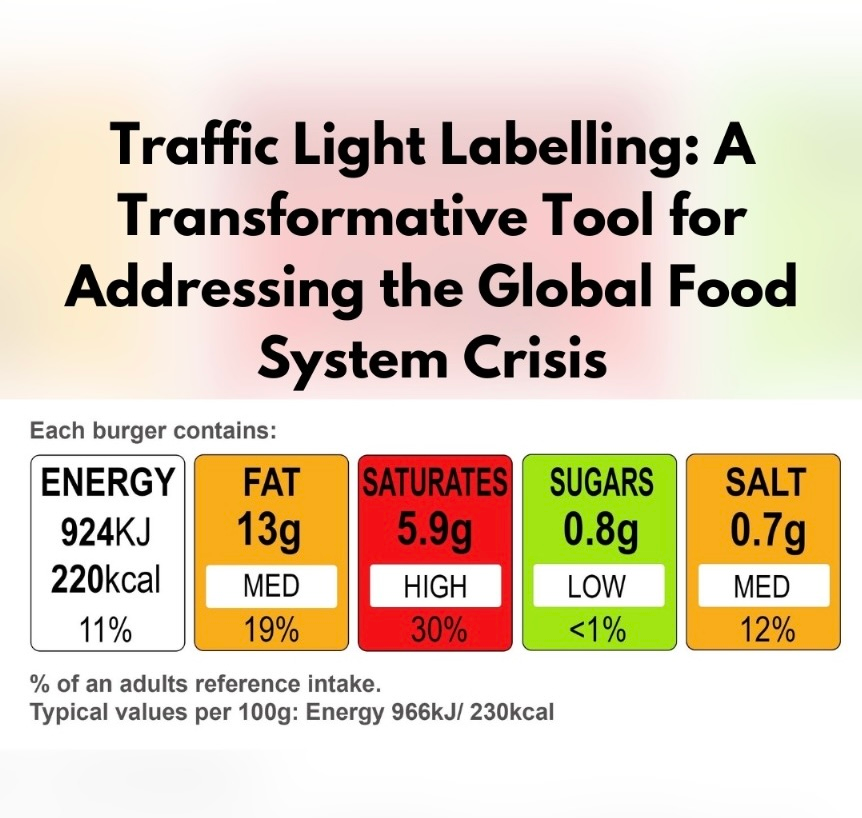
Clear and supportive regulatory frameworks are essential for SMEs in the reformulation process. The establishment of government policies that incentivise product reformulation and front-of-pack labeling systems that help consumers make informed choices is important.
Food reformulation is a powerful tool for creating healthier food environments, but SMEs need support to make meaningful progress. With the right technical expertise, financial incentives, and policy frameworks, they can drive innovation and expand access to nutritious, safe, and affordable food.
At Less Is Adequate (LIA), we recognise that small and medium-sized enterprises (SMEs) are the backbone of the food industry and have the potential to drive long-term, sustainable change. While they may start small, with limited resources and reach, SMEs hold immense potential to scale into industry leaders, shaping the future of food systems.
By investing in their growth, equipping them with technical support, and advocating for stronger policies, we can ensure that these organisations do not just survive but thrive, producing healthier, safer, and more nutritious food options for children under five.
We believe that empowering SMEs today means securing a healthier food environment for future generations. The small businesses of today will become the market shapers, policy influencers, and global change makers of tomorrow.
If you are a policymaker, industry leader, or entrepreneur committed to food reformulation, we invite you to join us in making healthier food the norm for children. Together, we can drive meaningful change and create a healthier future for the next generation.