
Written By: Bolanle Dada (RD), Scientific Researcher at LIA
Low- and middle-income countries (LMICs) have experienced significant dietary shifts over the decades. Historically, many LMIC populations relied on diets rich in whole grains, legumes, fruits, and vegetables, often determined by local agricultural production and traditional food cultures. Diet choices have however been deeply shaped by broader social, economic, environmental, and cultural contexts and not simply the result of personal choices in recent times. The availability, affordability, and cultural acceptability of nutritious foods continue to challenge healthy eating.
Research highlights that nutrient-rich foods are often scarce, costlier, and of lower quality in rural, remote, and economically disadvantaged areas compared to wealthier, urban settings. A study revealed that around 60% of the population struggles to afford a basic healthy diet in South Africa and Kenya, drawing attention to the barriers to healthy food access in the Global South.
Additionally, urbanisation, globalisation, and increased availability of processed foods have dramatically changed dietary patterns. The influence of transnational food corporations has further complicated food systems, particularly in regions like Asia, where increased market dominance by ultra-processed food producers has made healthier options less accessible and more expensive thereby leading to widespread consumption of unhealthy diets.
Unhealthy diets refer to eating patterns that fail to meet the body’s nutritional needs, often characterised by the excessive consumption of RISK nutrients such as trans fats, added sugars, and sodium, which are risk factors for being overweight, obese, and diabetic.
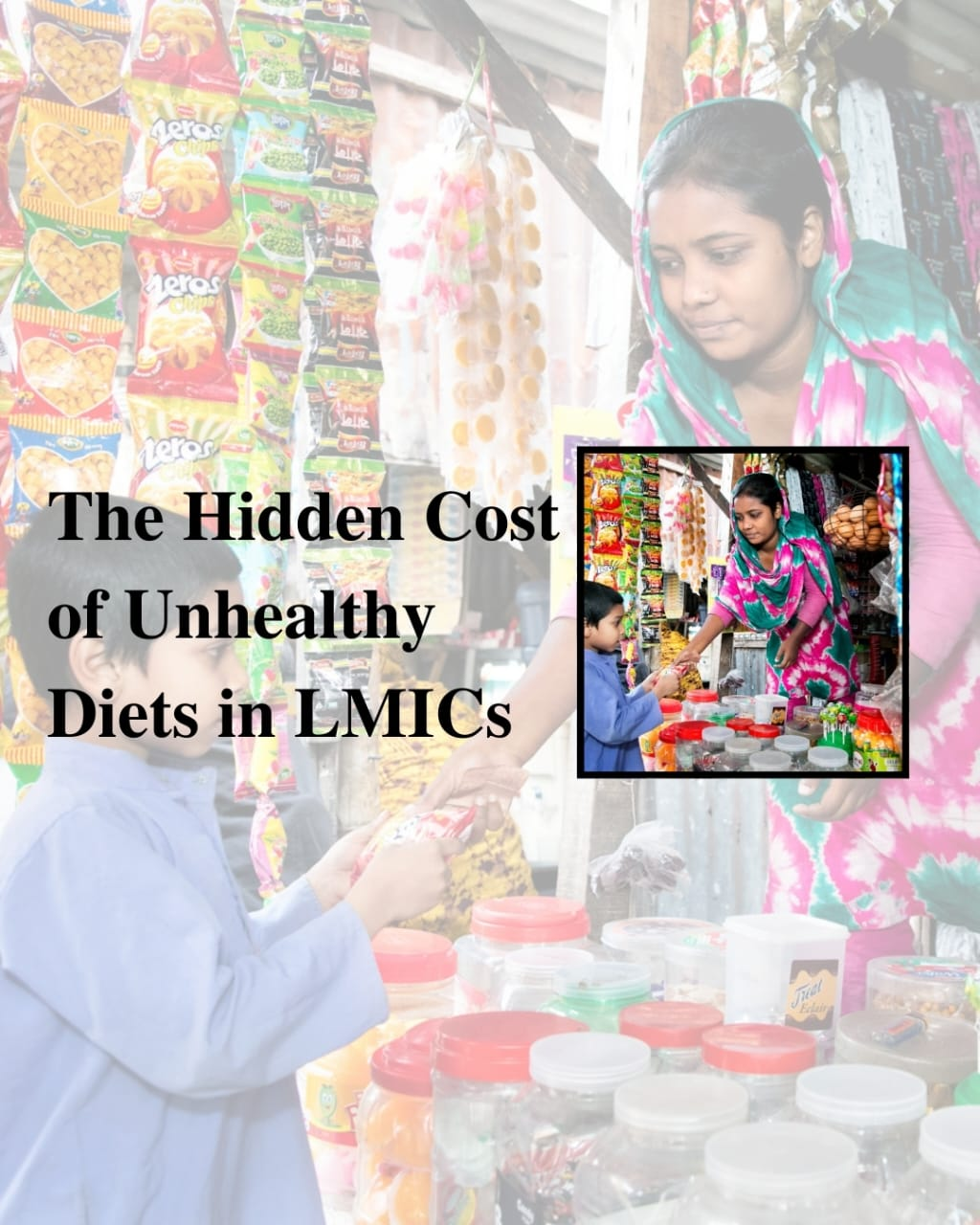
According to a UNICEF report, unhealthy diets are linked to nearly 45% of all child deaths under the age of five globally. In LMICs, the triple burden of malnutrition has become a pressing issue. Children are particularly vulnerable due to unhealthy food environments, excessive marketing of sugary products, and limited access to healthy options. Evidence from the World Health Organisation (WHO) and the Food and Agriculture Organisation (FAO) also highlights this diet shift. The rise of global food chains, aggressive marketing by food corporations, and economic shifts have all played a role in promoting highly processed, unhealthy foods over traditional diets.

Transforming food environments in LMICs is imperative to promote healthier dietary patterns, reduce the burden of diet-related diseases, and address nutritional inequalities. This comes with the shift to a diet rich in essential nutrients, including carbohydrates, proteins, healthy fats, vitamins, and minerals, while minimising harmful components such as excessive sugars and trans fats. On a population level, it means ensuring everyone has access to safe, nutritious, and affordable food that meets health needs across different life stages. However, in many LMICs, structural barriers like food insecurity, limited health education, and aggressive marketing of unhealthy products hinder the achievement of optimal nutrition.
Impact of Diets on Sustainable Development Goals (SDGs)
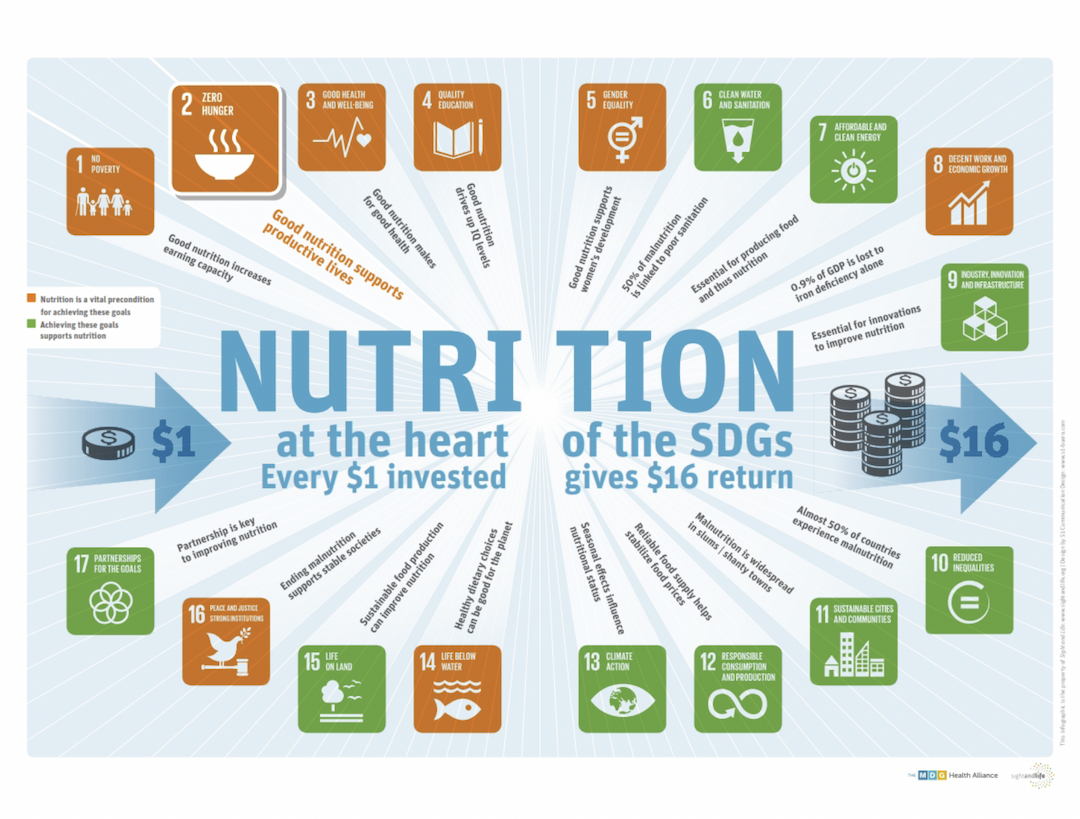
The Sustainable Development Goals (SDGs) are central to improving 3 pillars; economic, social, and environmental outcomes, in which global health, education, and economic development are embedded. Nutrition is closely linked to at least seven SDGs and the implications of the rising trend of unhealthy diets include:
- SDG 2 (Zero Hunger): Poor diets lead to both undernutrition and obesity, which hinder progress in eliminating hunger.
- SDG 3 (Good Health and Well-Being): NCDs linked to unhealthy diets are now leading causes of mortality in LMICs.
- SDG 4 (Quality Education): Malnutrition affects cognitive development, leading to poor educational performance among children.
- SDG 8 (Decent Work and Economic Growth): Poor health outcomes linked to poor diets reduce workforce productivity and economic potential.
The True and Hidden Cost of Unhealthy Diets
In LMICs, unaddressed nutritional challenges such as the trend of poor diet consumption can limit progress toward achieving these goals, perpetuating cycles of poverty and poor health. They carry significant economic and social costs that hinder national development in these areas:
1. Health Costs
- Non-Communicable Diseases (NCDs): The rise of NCDs driven by unhealthy diets is straining healthcare systems in LMICs. The burdens of type 2 diabetes and cardiovascular disease are attributable to sugar-sweetened beverages in at least, 184 countries between 1990 and 2020, according to a newly published study. The consumption of sugar-sweetened beverages (SSBs) was seen to have surged in Africa and South America, where soda companies have expanded aggressively after declining sales in North America and Europe. This trend has been linked to a rise in diet-related health conditions, with approximately 340,000 annual deaths from Type 2 diabetes and cardiovascular disease attributed to SSB intake. Latin America and the Caribbean, in particular, have reported the highest incidence of Type 2 diabetes linked to sugary drink consumption.
- Obesity and Overweight: Obesity is a major driver of diet-related diseases. Over 4 million global deaths annually are linked to obesity, with substantial healthcare costs and productivity losses. By 2035, obesity-related costs in LMICs are projected to reach $7 trillion. In countries like Brazil and Mexico, direct healthcare costs related to obesity and diabetes are escalating, reflecting an urgent need for policy interventions.
- Micronutrient Deficiencies: Over two-thirds of non-pregnant women of reproductive age globally have at least one micronutrient deficiency, leading to heightened risks of anaemia, impaired immunity, and adverse pregnancy outcomes. Children with micronutrient deficiencies suffer from stunting, cognitive delays, and poor school performance.
2. Economic Costs
- Productivity Losses: Stunting, which is frequently tied to nutrient deficiencies in early childhood, results in long-term cognitive and physical impairments, leading to a lifetime productivity loss estimated at 8% of global GDP during the 20th century. For LMICs, this issue translates into reduced workforce capability and economic growth.
- Healthcare Expenditures: The direct costs of treating diet-related conditions are staggering. According to the Global Nutrition Report, the cost of treating diet-related NCDs in LMICs runs into billions annually. Treating diabetes alone has been recorded to consume up to 20% of a country’s health budget. For instance:
- In Argentina, sugar-sweetened beverages alone impose an economic burden of 0.5% of GDP annually.
- In Brazil, hypertension-related healthcare costs due to excessive sodium consumption are significantly high, representing a major public health concern.
3. Social Costs
- Education: Poor dietary intake during early childhood critically impairs cognitive development, leading to sub-optimal academic performance. Malnourished children are less likely to perform well in school, which impacts their future earning potential. This perpetuates cycles of poverty, especially in low- and middle-income countries (LMICs), where limited access to diverse, nutrient-rich foods is common.
- Gender Disparities: Women and girls face heightened malnutrition risks due to both dietary inequities and biological needs, such as higher iron requirements during menstruation and pregnancy. Micronutrient deficiencies like anaemia significantly reduce productivity, increase health risks during reproductive years and hinder their contributions to household and societal development.
- Urban-Rural Divide: The World Bank working paper explains the contrast between urban and rural dietary patterns in LMICs. Urban areas are witnessing rising obesity rates due to the proliferation of ultra-processed, calorie-dense foods. Conversely, rural populations struggle with undernutrition and inadequate dietary diversity. In sub-Saharan Africa, for instance, urban obesity is on the rise, while rural communities continue to face high rates of stunting and wasting, reflecting inequities in food access and quality.
4. Environmental Costs
- Environmental Degradation: The production of calorie-dense, nutrient-poor foods like sugar and palm oil drives significant environmental damage. These crops are often subsidized in LMICs, leading to deforestation, biodiversity loss, and greenhouse gas emissions. This exacerbates climate change and creates inefficiencies in food systems, undermining long-term sustainability.
Many costing studies on unhealthy diets do not consider indirect costs such as caregiving, premature mortality, and the impact on household economies, further underlining the hidden financial costs.
How Can We Address This?
Addressing the costs of unhealthy diets requires a collective effort from policymakers, food producers, communities, and individuals. Some critical and urgent actions include:
- Policy Reforms: The government should introduce policies that promote healthy food environments, such as taxes on sugary drinks and subsidies for fresh produce.
- Food Industry Accountability: Food companies should be held accountable for their role in promoting unhealthy foods. Reformulation of processed foods to reduce sugar, salt, and unhealthy fats is essential.
- Education and Awareness: Nutrition education at all levels can empower individuals to make healthier choices and understand the long-term impact of poor diets.
- Improving Food Environments: Regulating food advertising, especially targeting children, and ensuring schools provide healthy meals can create a positive shift.
LIA’s Mission to Address Unhealthy Diets
Less Is Adequate is committed to driving change by advocating for healthier food environments. Our mission involves empowering Micro Small, and Medium food companies in LMICs to reformulate ingredients, promote transparency, and encourage healthier diets through policy advocacy and public engagement. By supporting our initiative, we can take significant steps toward reducing the long-term health and economic burdens of unhealthy diets in LMICs, paving the way for a healthier, more equitable future.