


As the global burden of diet-related non-communicable diseases (NCDs) such as obesity, type 2 diabetes, cardiovascular diseases, and certain forms of cancer continues to rise, the need for comprehensive, evidence-based public health strategies becomes more urgent. Particularly concerning is the increasing prevalence of these diseases among children, who are now experiencing obesity and metabolic disorders at earlier ages, with long-term consequences for individual well-being and national healthcare systems. Nutrient Profiling Models (NPMs) have emerged as essential instruments in addressing this challenge by shaping food environments and driving regulatory change.
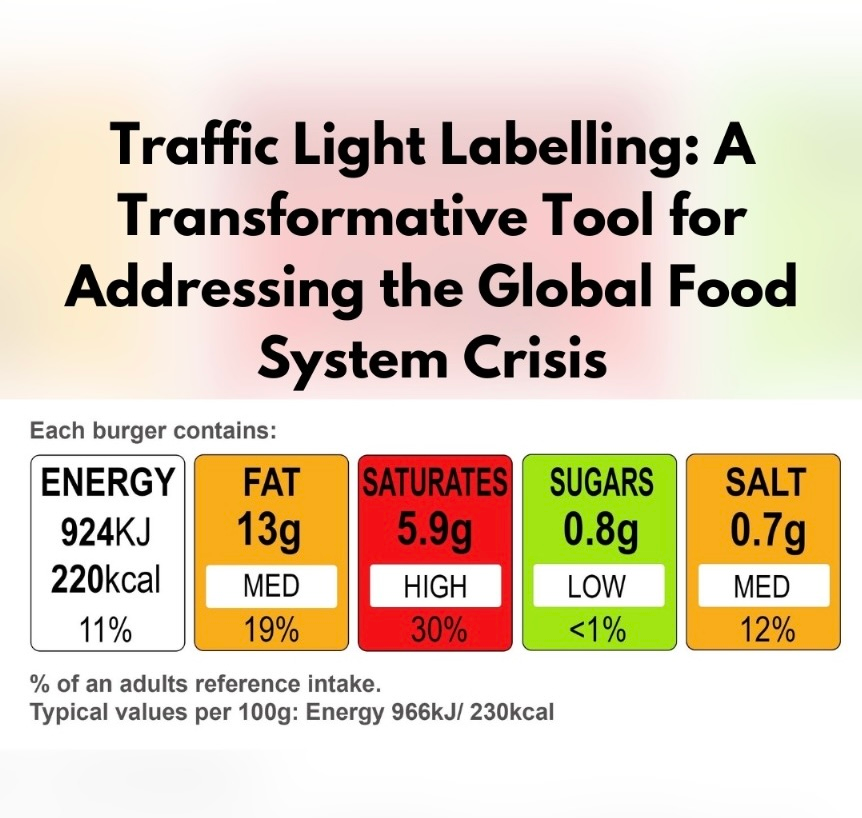
Nutrient Profiling Models are scientific frameworks designed to classify foods according to their nutritional composition, usually based on key nutrients of public health concern such as saturated fats, sugars, sodium, fibre, and total energy. While they were initially created to guide healthier dietary choices, NPMs have evolved into foundational instruments for global public health policy, supporting interventions like front-of-pack labelling, restrictions on food marketing to children, and taxation of unhealthy food products. This article critically examines the global evolution of nutrient profiling models, their proven policy impact, industry responses, and dynamic regulatory environments in which they operate, while offering a systems-based perspective on their role in shaping healthier and more equitable food environments worldwide.
Global Evolution and Application of Nutrient Profiling Models
Nutrient profiling models (NPMs) have their roots in nutritional epidemiology, developed as a response to growing scientific consensus on the role of dietary patterns in the aetiology of NCDs. Over the past two decades, several countries and regions have developed and implemented nutrient profiling models tailored to their specific regulatory goals and public health needs. Some of the most influential include:
- United Kingdom’s Nutrient Profiling Model (FSA-NPM, 2004): One of the earliest formal models, developed by the UK Food Standards Agency (FSA), the FSA-NPM uses a scoring system that balances “negative” nutrients (e.g., energy, saturated fat, total sugars, sodium) against “positive” components (e.g., fibre, protein, fruit, vegetables, nuts). This model was instrumental in regulating food and drink advertising to children, particularly by restricting marketing of high-fat, sugar, and salt (HFSS) foods during children’s television programming. It has also influenced subsequent models, including France’s Nutri-Score. The FSA-NPM remains a foundational model in UK public health nutrition policy.
- WHO Regional Office for Europe Nutrient Profile Model (2015): Developed to support policies restricting the marketing of unhealthy foods and beverages to children. The model provides nutrient thresholds across 17 food categories, serving as a basis for regulating advertising in over 50 countries in the WHO Europe region (WHO, 2015).
- Nutri-Score (France, 2017): This is a front-of-pack, interpretive labelling system derived from the UK Food Standards Agency’s Ofcom model. Nutri-Score uses a five-colour code (from green ‘A’ to red ‘E’) to rank the nutritional quality of foods based on an algorithm that balances negative nutrients (e.g., sugar, salt, saturated fat, calories) with positive components (e.g., fibre, protein, fruits/vegetables). It has been adopted voluntarily in several European countries, including Spain, Germany, and Belgium, and is supported by growing consumer and scientific consensus.
- Chile’s Warning Label System (2016): A threshold-based policy that mandates “high in” black octagonal warning labels for foods that exceed specific levels of sugar, sodium, saturated fat, and calories. This system has led to substantial food reformulation, including a 24% reduction in sugar content in breakfast cereals within two years of implementation
These models differ significantly in methodology. Some adopt threshold-based systems, setting maximum allowable levels of specific nutrients (e.g., WHO Europe, Chile), while others use scoring algorithms that weigh both positive and negative attributes of foods (e.g., Nutri-Score, Health Star Rating in Australia/New Zealand). The diversity of approaches reflects variations in dietary priorities, regulatory cultures, and consumer literacy across regions.
Despite these methodological differences, the global policy impact of nutrient profiling models is profound. A recent systematic review revealed that they serve as foundational tools for a range of interventions: front-of-pack labelling (FOPL), taxation of unhealthy foods, regulation of food marketing to children, procurement standards in schools and public institutions, and product reformulation initiatives. Collectively, these efforts contribute to reshaping food environments and nudging consumers toward healthier choices.
For example, in Chile, beyond reductions in sugar content, there has been a notable decrease in the purchase of sugary beverages and a decline in marketing exposure to unhealthy food advertisements aimed at children. Similarly, Nutri-Score has been shown to significantly improve consumers’ ability to identify healthier products, particularly among low health-literacy populations.
As global momentum builds for policy actions to address the commercial determinants of diet, nutrient profiling models continue to offer a scientifically grounded, adaptable, and policy-relevant solution for improving population nutrition and combating NCDs.

Figure 1: Different nutrient-specific and healthfulness summary labels based on NPMs. Source: Dean et al., 2015.
NPMs in Policy: Evidence of Effectiveness
Nutrient Profiling Models (NPMs) have proven to be essential tools in shaping food policy globally, with their impact evidenced in various policy domains such as Front-of-Pack Labelling, marketing restrictions, and fiscal policies like sugar taxes. These models provide governments and policymakers with scientifically backed frameworks for identifying unhealthy foods and regulating them effectively to improve public health outcomes. The effectiveness of NPMs is clearly reflected in their role in guiding healthier consumer choices and driving the success of health policy interventions:
A. Front-of-Pack Labelling and Consumer Behaviour
Evidence suggests that interpretive Front-of-Pack Labelling systems, such as Nutri-Score and warning labels, are significantly more effective at guiding consumers toward healthier food choices than reductive systems like the Guideline Daily Amounts (GDA) labels. A post hoc analysis highlighted that interpretive systems offer clearer, more actionable information, resulting in improved consumer understanding and better decision-making when shopping for food. Consumers are better able to assess the nutritional quality of products at a glance, facilitating healthier selections.
In Mexico, the implementation of warning labels in 2020 was linked to a remarkable 37% reduction in the purchase of sugary drinks, illustrating the substantial impact of clear, direct labelling on consumer behaviour. These results prove the potential of warning labels as an effective public health intervention to curb the consumption of unhealthy, high-sugar beverages, a major contributor to obesity and related diseases.
Moreover, Nutri-Score adoption across European Union (EU) countries has been shown to correlate with significant product reformulation. Research by Egnell et al. (2020) found that brands voluntarily adjusted their product formulations, particularly in reducing salt and saturated fat content, in response to Nutri-Score labelling. This reformulation trend suggests that NPMs can influence both consumer purchasing behaviours and industry practices, enabling a market-wide shift toward healthier food options.
B. Marketing Restrictions and Childhood Obesity Prevention
A key application of NPMs is in the regulation of food marketing, particularly to children. The World Health Organisation (WHO) has long advocated for policies that restrict the marketing of unhealthy foods to young audiences, and NPMs provide objective, evidence-based criteria to guide such regulations. In the UK, for example, NPMs have been central to the government’s 2017 sugar reduction program, which targeted key product categories and resulted in a 20% reduction in the sugar content of foods such as breakfast cereals, snacks, and beverages. This program highlights how NPMs can be used to design policies that encourage healthier product formulations and discourage the marketing of foods that contribute to childhood obesity.
In South Korea, NPM-driven restrictions on food marketing to children have proven successful. A 2021 study demonstrated that limiting the use of cartoon characters and other child-targeted advertising for unhealthy cereals significantly reduced children’s exposure to misleading marketing tactics. This approach further emphasises the role of NPMs in shaping policy that protects vulnerable populations from exploitative marketing strategies, which often promote highly processed, unhealthy foods to children
C. Fiscal Policies: Sugar Taxes and Subsidies
NPMs also serve as the foundation for fiscal policies, particularly sugar taxes and subsidies for healthier foods, which have demonstrated success in curbing the consumption of unhealthy products and incentivising the purchase of nutritious alternatives. One of the most notable examples is the UK Soft Drinks Industry Levy (SDIL), a tax introduced in 2018 targeting sugary beverages. The SDIL led to a 29% reduction in sugar content per 100ml in reformulated beverages, illustrating how fiscal policies based on NPMs can encourage the food industry to reduce the sugar content in widely consumed products.
In Mexico, an 8% tax on “non-essential foods” that surpassed a calorie threshold (specifically > 275 kcal per 100 g) which included salty snacks, was implemented in 2014. That has demonstrated how fiscal measures can extend beyond sugar taxation to address other public health concerns, such as excessive salt consumption. The tax policy in Mexico contributed to a decline in the consumption of high-salt foods, reinforcing the potential of NPM-driven fiscal policies to improve the nutritional quality of diets across multiple dimensions, not just sugar intake.
Industry Adaptation and Strategic Responses to Nutrient Profiling Policies
As Nutrient Profiling Models become central to regulatory nutrition policy, food and beverage companies have adopted a range of strategic responses aimed at mitigating regulatory impacts while maintaining market competitiveness. These responses typically fall into three main categories: reformulation, portfolio diversification, and political lobbying.
- Product Reformulation
One of the most direct industry responses to NPM-driven policies has been reformulation, which involves altering the composition of products to reduce levels of critical nutrients such as added sugars, saturated fats, and sodium. For instance, following the implementation of the UK Soft Drinks Industry Levy, over 50% manufacturers significantly reduced sugar content in soft drinks to avoid higher tax thresholds, equivalent to 45 million kg of sugar every year and 29% reduction in average sugar per 100mL of soft drinks sold between 2015 (when it was implemented) and 2018. Similarly, Nestlé undertook reformulation of its flagship product Milo using the Nestlé Nutritional Profiling System (NNPS) developed to reduce sugar content and enhance micronutrient density in order comply with regional nutrient profiling thresholds and maintain eligibility for school feeding programs. - Portfolio Shifting and Brand Repositioning
In response to growing regulatory scrutiny, many companies have shifted their product portfolios toward items that are either exempt from or favorably rated by NPM frameworks. PepsiCo Europe, for example, has expanded its offerings of baked and lower-fat snacks that meet healthier criteria under the WHO Europe Nutrient Profile Model. This strategy not only helps firms align with public health goals but also taps into the growing consumer demand for healthier alternatives, particularly in urban markets. - Political Lobbying and Opposition Campaigns
Despite the broad public health rationale behind NPMs, resistance from industry stakeholders is present, particularly in regions where traditional food products are affected. In Italy, strong lobbying campaigns were mounted against the adoption of Nutri-Score, with arguments centered on the model’s perceived incompatibility with traditional Mediterranean foods such as Parmigiano-Reggiano and Prosciutto di Parma (traditional hard cheese and ham). Stakeholders claimed that the algorithmic scoring system penalised products central to cultural heritage, sparking debates about the balance between nutrition science and food culture (Capacci et al., 2019; Storcksdieck genannt Bonsmann et al., 2020).
Concerns About Strategic Compliance: The “Health-Washing” Phenomenon
While reformulation and innovation are welcomed public health outcomes, concerns have been raised over superficial compliance, often referred to as “health-washing”. This refers to instances where products undergo minimal changes (e.g., slight sugar or salt reductions) to meet NPM thresholds, without substantial improvements in overall nutritional quality. Such practices may mislead consumers and dilute the intended impact of NPMs by enabling continued marketing of marginally improved but still unhealthy products.
Charting the Future of Nutrition Policy through Scientific Precision
As governments grapple with rising health burdens and widening dietary inequalities, Nutrient Profiling Models stand at the forefront of transformative food policy. Their evidence-based, adaptable nature allows them to transcend cultural and regional boundaries, providing a scientific compass for navigating the complex interplay between public health, consumer behaviour, and industry interests. While challenges persist from commercial resistance to the need for global harmonisation, NPMs remain one of the most promising levers for reshaping food systems at scale. Their continued refinement and integration into policy hold the potential not only to improve diets but to safeguard future generations from the preventable harms of poor nutrition.rition.