

The period between 6 and 24 months of age represents one of the most nutritionally vulnerable stages in the human lifecycle. While exclusive breastfeeding meets an infant’s needs for the first six months, this is followed by a phase where nutritional adequacy depends heavily on complementary feeding practices. Within this phase, diet diversity has emerged as a critical determinant of nutrient adequacy and growth outcomes.
Diet diversity, typically measured by the number of food groups consumed over 24 hours, is widely used as a proxy indicator for micronutrient adequacy. The World Health Organization defines minimum dietary diversity (MDD) for children aged 6–23 months as the consumption of foods from at least five out of eight food groups. This benchmark is grounded in evidence showing a strong association between dietary diversity and the likelihood of meeting essential micronutrient requirements.
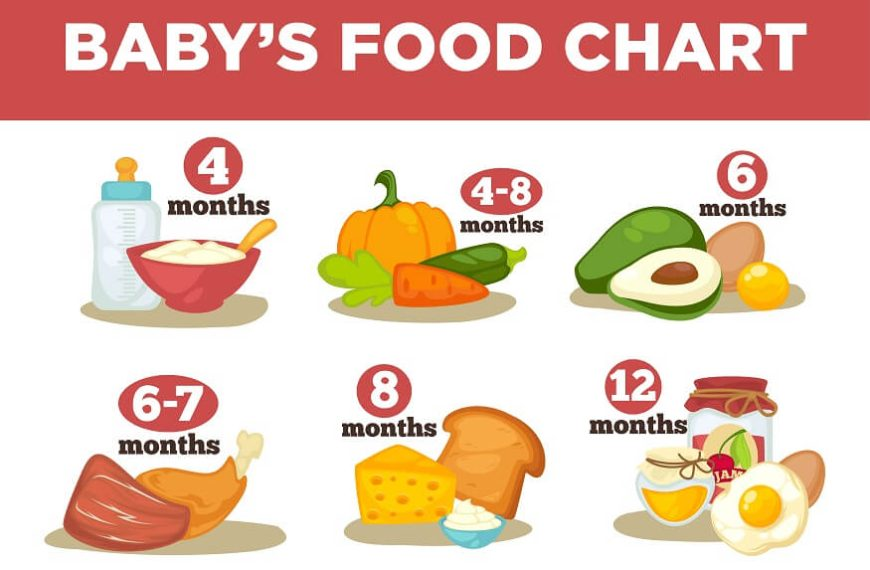
Despite this, globally, only about one in three children aged 6–23 months meets minimum dietary diversity requirements, highlighting a persistent gap in complementary feeding practices. Estimates from the UNICEF indicate that approximately 34% of children globally meet minimum dietary diversity, reflecting significant disparities across regions, particularly in low- and middle-income countries
To better understand the implications of this gap, it is important to examine the biological, empirical, and systemic factors that make diet diversity such a critical component of early childhood nutrition.
Biological Basis: Why Diet Diversity Matters
Infants aged 6–24 months have disproportionately high nutrient requirements relative to their body size. For example, during this period, children require approximately five times more iron per kilogram of body weight than adults, alongside increased needs for zinc, calcium, and essential vitamins. At the same time, gastric capacity remains limited, constraining the volume of food intake per meal. This creates a physiological necessity for nutrient-dense and diverse diets.
Evidence from a comprehensive review available on National Center for Biotechnology Information shows that monotonous diets, particularly those dominated by starchy staples, fail to meet these micronutrient requirements, while more diverse diets significantly improve both nutrient intake and bioavailability. For instance, the presence of vitamin C enhances non-heme iron absorption, while animal-source foods provide highly bioavailable iron and zinc that are not easily substituted by plant-based sources alone.
From a biological standpoint, diet diversity is therefore not optional; it is essential for meeting the complex nutritional demands of early childhood.
Empirical Evidence: Diet Diversity and Growth Outcomes
The relationship between diet diversity and child growth outcomes is well established across multiple large-scale studies.
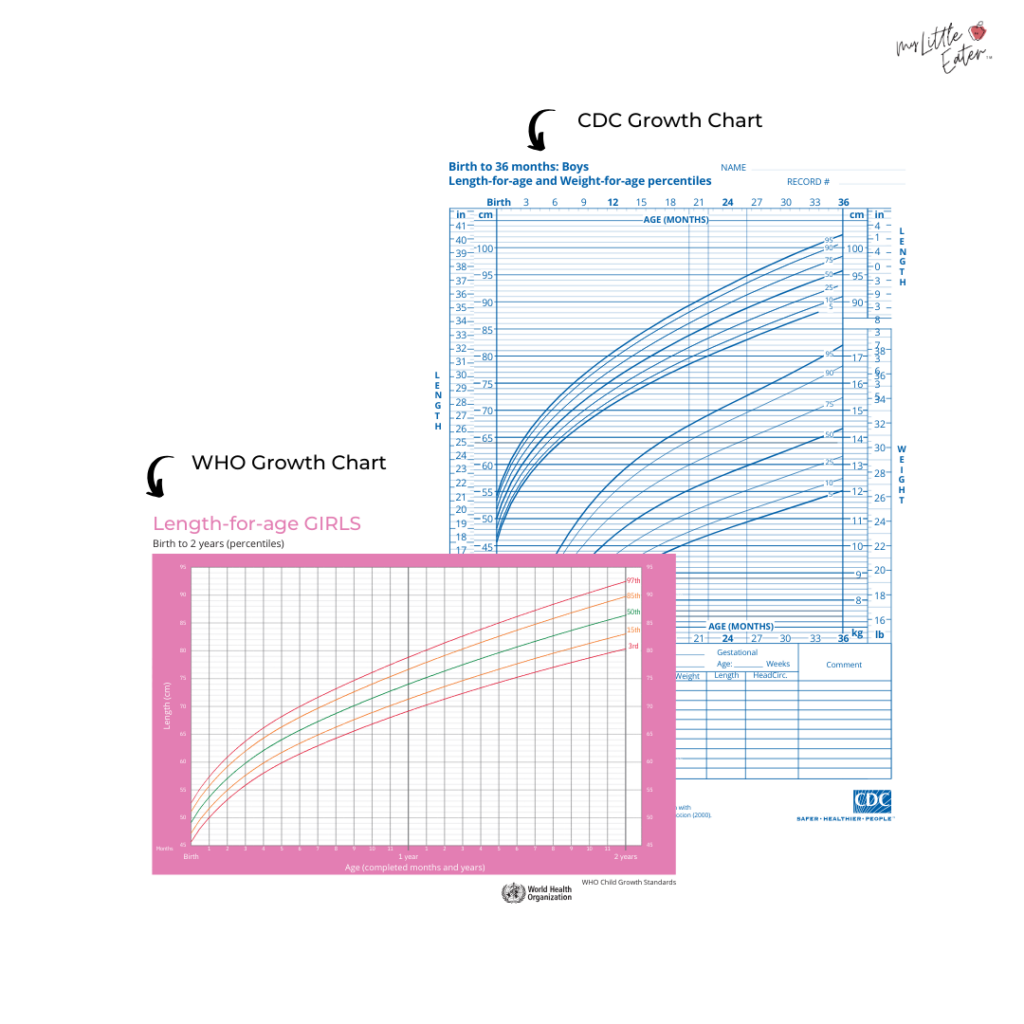
A multi-country analysis indexed on PubMed, involving over 74,000 children across low- and middle-income countries, found that children who did not meet minimum dietary diversity had significantly higher odds of stunting. Children consuming fewer food groups were substantially more likely to experience linear growth faltering compared to those with more diverse diets.
Further evidence from a peer-reviewed study available on PubMed Central shows that failure to meet minimum dietary diversity thresholds is strongly associated with linear growth faltering, with children consuming highly restricted diets facing a significantly higher likelihood of being stunted.
In addition to growth outcomes, dietary diversity has been linked to improved dietary adequacy. Children who meet minimum dietary diversity are significantly more likely to achieve adequate intake of key micronutrients such as iron, zinc, and vitamin A, reducing the risk of deficiencies that contribute to undernutrition.
Global Patterns: The Persistence of Low Diet Diversity
Despite strong evidence and clear global recommendations, many infants do not receive adequately diverse diets. In many settings, meals are built around a single staple food, with limited inclusion of nutrient-rich foods such as eggs, dairy, fruits, vegetables, and animal-source proteins. This pattern persists not only because of knowledge gaps, but also because of structural constraints.
A study published in the Italian Journal of Pediatrics shows that low dietary diversity is strongly associated with socioeconomic factors, food availability, and affordability. In many households, caregivers are making feeding decisions within tight constraints, prioritising foods that are accessible and filling rather than nutritionally diverse. The study further highlights that a significant proportion of children aged 6–23 months in low- and middle-income countries do not meet minimum dietary diversity standards, reinforcing the scale of the challenge
Determinants of Diet Diversity: A Systems Perspective
Diet diversity is influenced by a complex interaction of factors operating across multiple systems.
Food systems play a central role by determining the availability, affordability, and accessibility of diverse foods. In many settings, nutrient-dense foods are either not available year-round or are priced beyond the reach of low-income households.
Health systems influence feeding practices through the provision of information and support. However, complementary feeding counselling is often inconsistent and may lack the specificity and cultural relevance needed to drive behaviour change.
Socioeconomic factors, including household income, maternal education, and gender dynamics, further shape feeding decisions. Caregivers frequently prioritise satiety and cost over nutritional quality when resources are limited. These interconnected determinants highlight the need to move beyond behaviour-focused interventions towards integrated, systems-level approaches.
Implications for Policy and Practice
Addressing low diet diversity requires coordinated action across sectors.
First, food systems must be strengthened to improve the availability and affordability of diverse, nutrient-rich foods. This includes supporting agricultural diversification, improving market access, and promoting value chains for nutrient-dense foods.
Second, health systems must integrate comprehensive complementary feeding support into routine services. This involves providing caregivers with practical, context-specific guidance on how to achieve diet diversity using locally available foods.
Third, social protection programmes can play a critical role in improving household food security, enabling families to access a wider range of foods.
Finally, behaviour change strategies must go beyond awareness to address the practical barriers caregivers face in implementing diverse diets.
Conclusion
Diet diversity is one of the most robust and actionable indicators of diet quality in early childhood. It is strongly associated with improved nutrient intake, reduced risk of stunting, and better overall growth outcomes. Yet, despite its importance, it remains inadequately addressed in many nutrition strategies.
The evidence is clear: children who consume diverse diets are more likely to survive, grow, and thrive.
Improving diet diversity is therefore not simply a technical recommendation; it is a strategic priority. It requires aligning food systems, health systems, and social policies to create environments in which caregivers can provide diverse, nutritious diets.
In the critical window between 6 and 24 months, ensuring diet diversity is not just about feeding children.
It is about safeguarding their future.