

Bread is part of everyday life for millions of families. It is affordable, filling, easy to prepare, and widely available — including in many low- and middle-income countries (LMICs), where urbanisation and changing food environments have made packaged bread a common household staple. For children, bread often appears at breakfast, in school meals, and as a convenient snack.
Because it feels familiar and “basic,” bread is rarely questioned. Yet growing evidence shows that many commercially produced breads contain high levels of salt and added sugars, and are increasingly ultra-processed. For children — particularly those growing up in LMICs where diets are rapidly changing — this combination carries serious and long-term health implications.
Bread and the Problem of Hidden Salt
Salt plays an important functional role in bread production, helping to control fermentation and improve texture and flavour. However, industrial bread production has normalised salt levels that exceed what children need — or can safely consume.
The World Health Organization has consistently warned that excess sodium intake in childhood increases the risk of elevated blood pressure, which can track into adulthood and raise the risk of cardiovascular disease later in life. In many LMICs, hypertension and other diet-related non-communicable diseases are now rising alongside undernutrition, creating a growing double burden of malnutrition.
Recent evidence shows that bread is a major contributor to this problem. A 2025 compositional analysis published in Scientific Reports examined sodium levels in commonly consumed bread types and found consistently high salt content — even in breads often perceived as healthier options, such as whole-grain or rye varieties.
Table 1. Sodium and salt content of commonly consumed bread types and estimated contribution to daily salt intake in children
| Bread type | Sodium (mg/100 g) | Salt equivalent (g/100 g) | Approximate contribution to maximum daily salt intake (children 10–12 years)* |
| Rye bread | ~833 mg | ~2.1 g | ~45% |
| Wheat–rye bread | ~726 mg | ~1.8 g | ~39% |
| White wheat bread | ~680 mg | ~1.7 g | ~37% |
| Whole-grain toast bread | ~710 mg | ~1.8 g | ~39% |
| Spelt bread | ~607 mg | ~1.5 g | ~33% |
*Based on upper salt intake recommendations for older children.
For children who eat bread more than once a day, which is common in urban LMIC settings, salt intake can exceed recommended limits quickly and quietly. Because bread does not taste overtly salty, families often underestimate how much sodium it adds to a child’s overall diet.
Added Sugars in Everyday Foods
Bread is not usually thought of as a sugary food, yet many commercially produced loaves contain added sugars. These are used to improve taste, promote browning, and extend shelf life, features that are particularly attractive in competitive, price-sensitive markets common across LMICs.
The challenge is not just the sugar itself, but where it appears. When added sugars are embedded in staple foods, they become part of daily consumption patterns and contribute to overall free sugar intake without being recognised as such. The WHO has long highlighted the link between free sugars, dental caries, unhealthy weight gain, and metabolic risk in children.
In contexts where access to dental care is limited and sugary snacks are increasingly marketed to children, sugar in staple foods like bread compounds existing risks rather than offering neutral energy.
Bread, Ultra-Processed Foods, and Rapidly Changing Diets
Many packaged breads now meet the criteria for classification as ultra-processed foods (UPFs). This is due to their formulation, reliance on refined ingredients, use of additives, and industrial processing methods designed to maximise shelf life and consistency.
Globally, high consumption of UPFs has been linked to obesity, cardiovascular disease, and premature mortality. A study from the Guardian found that each 10% increase in UPF consumption was associated with a higher risk of early death.
For LMICs, this evidence is especially concerning. As food systems shift rapidly towards packaged and convenience foods, children are increasingly exposed to UPFs early in life — often alongside persistent micronutrient deficiencies.
Reformulation Is Not a Technical Barrier
Reducing salt and sugar in bread is often presented as difficult or costly, yet evidence suggests otherwise. Controlled trials show that gradual sodium reductions of up to 30–40% can be achieved without compromising consumer acceptance, particularly when changes are introduced incrementally.
For LMIC food systems, this matters. Reformulation shifts responsibility upstream, away from individual consumers and towards producers and regulators — making healthier diets more achievable at scale, including for low-income households.
Why This Matters for Children and Food Systems
Bread is not just a food choice; it is a food systems outcome. Its composition reflects decisions about agricultural inputs, processing standards, pricing, marketing, and regulation. For children growing up in LMICs, bread increasingly represents the intersection of affordability and risk.
Improving bread quality by reducing salt and added sugars and limiting ultra-processing offers a rare opportunity to improve child nutrition without requiring major changes in behaviour or access. Small changes to a food eaten every day can deliver meaningful public health gains.
Rethinking a Staple
Bread may be a daily staple, but its health impact is not neutral. As LMICs navigate rapid dietary transitions alongside rising childhood overweight and persistent undernutrition, reformulating everyday foods like bread must be part of the solution.
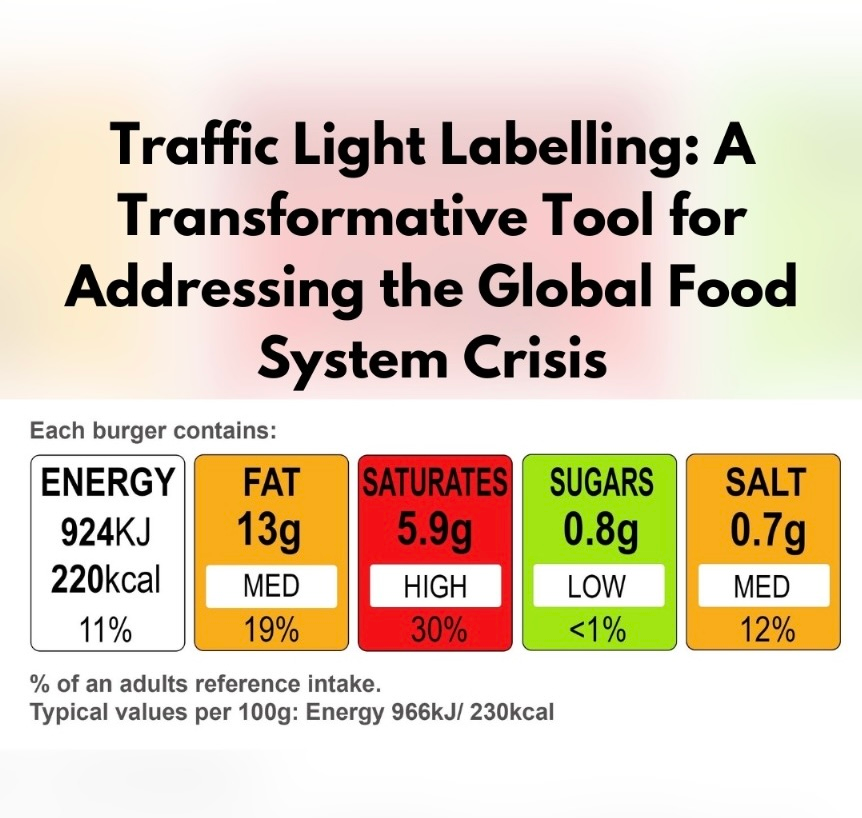
Prioritising healthier bread production through reformulation targets, clearer labelling, and stronger accountability is a practical step toward creating food environments that support, rather than undermine, children’s health.