
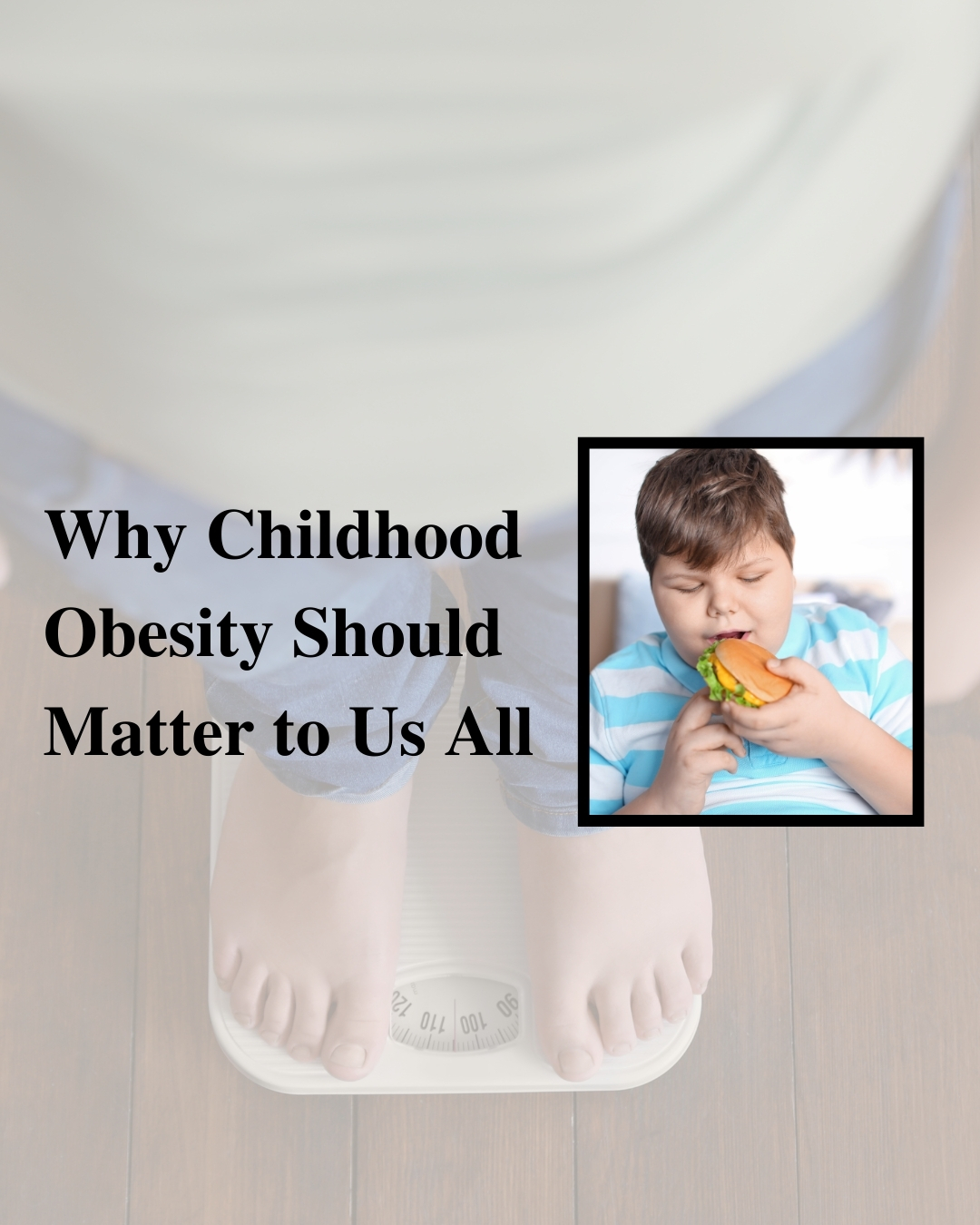
Childhood obesity is a big problem that affects millions of kids around the world. It’s not just about how they look; it’s about their health and happiness. In England, recent statistics reveal that around one in eight children aged between two and 10 are classified as obese, according to an NHS survey published. This is part of a larger trend, with approximately one in seven children (15%) aged between two and 15 being obese in 2022—similar to the 16% recorded in 2019. Among younger children aged 2 to 10, obesity rates stand at 12%, while for those aged 11 to 15, the figure rises to 19%. These numbers highlight a growing issue that affects kids in many ways.
Africa is not left out of this trend. Childhood obesity is also rising across parts of the continent, with southern Africa experiencing some of the highest rates. According to a report by the Food and Agriculture Organisation of the United Nations (FAO), the highest rates in 2020 were in Algeria (12.9%), Libya (25.4%), Tunisia (16.5%), the Comoros (17.2%), Egypt (17.8%), and South Africa (12.9%).

What is the cause of the obesity epidemic?
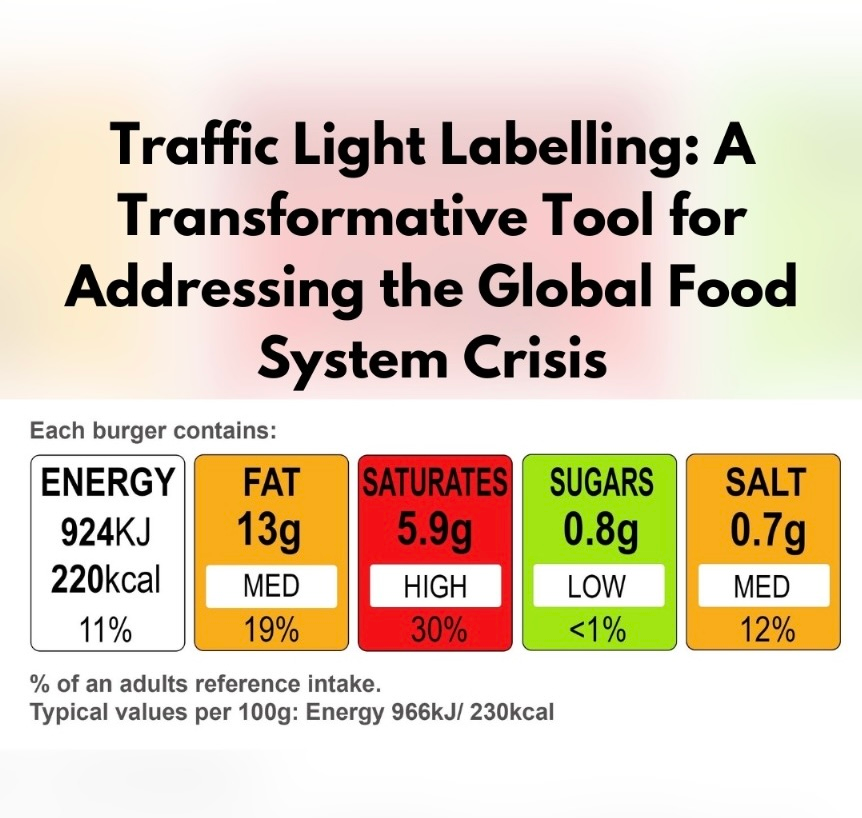
A major factor is the rise in ultra-processed foods (UPFs) consumption. These are the sugary cereals that catch your eye in the grocery store and snacks with cartoon characters that kids love. They are often packed with added sugars, unhealthy fats, and salt. They’re cheap, convenient, and let’s face it—they taste good. But at what cost?
Kids are especially drawn to these foods. They may not realise how unhealthy they are, and studies show a diet high in these processed foods leads to obesity and serious health issues like diabetes and heart disease.
The “Sedentary” Lifestyle Shift
Kids are spending more time in front of screens than ever. According to a 2023 report from the Vision Center, screen time has surged among children and teens, with children aged 8 to 12 spending an average of 4-6 hours daily on digital devices, while teens spend up to 9 hours per day. Additionally, the American Academy of Pediatrics has found that children in the U.S. spend an average of 7.5 hours per day on screens when including all forms of digital media. This trend is part of a shift toward more sedentary lifestyles, which the World Health Organisation (WHO) links to decreased physical activity among children.
WHO recommends that kids aged 5 to 17 get at least 60 minutes of physical activity each day, but many fall short. Studies indicate that as screen time increases, children’s physical activity levels tend to decrease, leading to weight gain as calorie expenditure drops. This sedentary lifestyle adds to the calorie surplus, contributing to the obesity crisis over time.
Children, especially those aged 5-16 in the UK, average 6.3 hours of screen time daily. This breaks down to 2-3 hours watching television, 1-3 hours online, 1-2 hours on video games, and over an hour on mobile phones.
In many parts of Africa, adherence to recommended screen time limits is also a challenge. A study conducted in Ethiopia found that a significant proportion of children aged 3 to 4.9 years exceed the WHO’s screen time guidelines, underscoring the need for greater awareness and interventions to promote healthier behaviours. Meanwhile, in South Africa, children show some of the highest daily screen time rates globally, with individuals spending approximately 58.2% of their day in front of screens. Together, these studies highlight the growing need for strategies across the continent to limit screen exposure, particularly for young children.

The Challenge of Socioeconomic Factors
For many families, especially in low- and middle-income countries, this struggle is even harder. Fresh, healthy foods can be tough to find and expensive. Families often grab cheaper, ultra-processed snacks because they’re easy. Who hasn’t reached for a quick snack that isn’t the healthiest option? Marketing for unhealthy foods often targets vulnerable communities, making healthy choices feel out of reach.
The Real Effects of Obesity
The effects of childhood obesity go beyond just physical health. Kids who are obese often face emotional issues like low self-esteem and anxiety. They might be bullied or treated differently, which can hurt their mental health. Additionally, obesity in childhood can lead to long-term health problems, putting extra pressure on families and healthcare systems.
Time for Change
It’s time to act. We need to work together to tackle childhood obesity. This means promoting healthier food choices, making nutritious foods more accessible, and encouraging kids to be active. We want to create an environment where choosing healthy options is easy.
Supporting Healthier Choices Together
This is where initiatives like Less Is Adequate (LIA) come in. LIA works to improve the healthiness of processed foods aimed at young kids, especially those under five. By advocating to reduce harmful ingredients like excess sugar, salt, and unhealthy fats, we help create healthier food environments. Our advocacy is key in helping families make better choices about what they feed their children.
How can we make a difference?
The fight against childhood obesity is not just up to health professionals; it’s something we should all do together. Let’s support better food options in our communities and promote healthy lifestyles.
Tackling childhood obesity is a team effort. Here’s how each of us—from food manufacturers to policymakers to parents—can make a real difference in helping kids grow up healthier.
1. Food Manufacturers: Creating Better Options
Food manufacturers hold a lot of power when it comes to kids’ diets. Imagine if our favourite snacks and treats had less sugar, salt, and unhealthy fats without losing taste! By reformulating recipes, clearly labelling ingredients, and avoiding flashy ads that target kids, food companies can make healthier choices easier for families. For smaller brands, teaming up with organisations like LIA can provide the resources to create healthier food products.
2. Government: Setting the Ground Rules
Governments can set the stage by making policies that promote healthier foods for kids. Clear regulations—like limits on sugar, salt, and trans fats in kids’ foods—can shift the whole food system toward healthier options. Public campaigns can also raise awareness, while schools serving nutritious meals can make healthy choices feel normal and accessible. Some good examples are the soft drinks industry levy, which came into effect in April 2018 and the new advertising restriction for High in Fat, Sugar, or Salt (HFSS) foods, which is set to come into force on 1 October 2025.
3. Caregivers: Building Healthy Habits at Home
As a parent or caregiver, you play a great role in your kids’ day-to-day choices. Small shifts like offering more whole foods, setting regular mealtimes, and modelling healthy eating habits go a long way. And don’t forget playtime! Encouraging physical activity and limiting screen time will help your kids stay active and healthy.
When we all play our part, healthier environments for kids become the standard—not the exception. Let’s work together to set kids on a path to healthier lives!