

The Growing Global Concern of Prediabetes
Prediabetes is a metabolic condition marked by elevated blood glucose levels that are between normal and diabetic thresholds. Often referred to as the “grey area,” or “borderline diabetes”, it is a transitory state that serves as a critical warning indication that the body is having trouble efficiently controlling blood sugar. The body signals its struggle to regulate blood sugar effectively, arising from a decline in insulin sensitivity. While genetics can predispose individuals to prediabetes, lifestyle and environmental factors play a dominant role in its development. Among these, dietary habits stand out as a primary contributor. Diets high in refined carbohydrates, salt, sugary beverages, and ultra-processed foods (UFPs) are major contributors that overwhelm the body’s insulin response, leading to the condition.

According to a 2023 diabetes study, over 400 million adults globally live with impaired glucose tolerance (IGT), a type of prediabetes, while nearly 300 million adults have impaired fasting glucose (IFG). These numbers are alarming on their own, but even more concerning is the rising prevalence of prediabetes among children, particularly in low- and middle-income countries (LMICs), linked to rapid dietary shifts stemming from exposure to obesogenic food environments. This blog explores in detail, the critical role of food environments in the prevalence of prediabetes, and how policy and industry strategies can help to curb these risks.
The Impact of Obesogenic Food Environments in Low- and Middle-Income Countries
Food environments are saturated with UPFs, which have become dietary staples due to their affordability, convenience, and aggressive marketing. Unfortunately, these foods, laden with added sugars, trans fats, refined carbohydrates, and excessive salt, pose significant risks to metabolic health. For example, in LMICs such as South Africa, Brazil, and India, the consumption of sugary drinks, salty snacks, and fast foods has soared among urban families. This transition is not only eroding traditional diets but also increasing the risk of insulin resistance and other metabolic dysfunctions. Excessive salt intake, prevalent in these foods, amplifies insulin resistance by raising blood pressure and triggering systemic inflammation. Meanwhile, added sugars and refined carbohydrates rapidly spike blood glucose levels, overwhelming the body’s ability to regulate insulin effectively.

Many UPFs are packaged with hormone-disrupting chemicals such as bisphenols (BPA) and phthalates, which further impair glucose metabolism and increase the risk of prediabetes, which makes the problem more complex. These chemicals are prevalent in LMICs where regulatory oversight is often weaker. In cities like Nairobi, Dhaka, and Lagos, children are particularly vulnerable due to UPFs and food high in sugar, saturated fats, and salt, since the products are aggressively marketed as affordable, convenient, and appealing options.
What a Change to Food Environments Would Mean
Addressing this crisis requires urgent, multifaceted interventions. Policies to regulate the marketing of UPFs, improve the affordability of nutrient-rich whole foods, and integrate nutrition education into school curricula are essential. Initiatives like Mexico’s sugar tax and South Africa’s salt reduction programs provide valuable lessons for combating this growing epidemic in LMICs. The World Health Organisation (W.H.O) also recommends banning added sugars in products aimed at children under three years old, aiming to curb early exposure to harmful dietary components. Chile has successfully implemented a comprehensive approach, including mandatory front-of-package warning labels and restricting advertising of high-sugar, high-fat, and high-sodium products targeted at children, which has led to a reduction in unhealthy food purchases. In India, global food companies have voluntarily reduced sugar and salt in packaged foods to align with health goals, showing the potential impact of industry self-regulation. Policies limiting the marketing of UPFs to children, like those in Chile, have also proven effective in reducing exposure to unhealthy foods. International examples like Mexico’s soda tax and the United Kingdom’s National Sugar Reduction Programme, alongside the Reformulation for Health initiative by Food Standards Scotland further demonstrate the impact of policy interventions.
Advocating for mandatory thresholds for harmful ingredients, working with manufacturers to create healthier alternatives, and raising public awareness through education campaigns are all essential steps to mitigate the impact of unhealthy diets on our health. Addressing the rising prevalence of prediabetes, particularly in LMICs, demands concerted action from both manufacturers and consumers. The critical factor here is the environment in which individuals live and eat, as food environments loaded with unhealthy options like UPFs are central to the development of metabolic conditions, including prediabetes. Below are actionable strategies for both manufacturers and consumers to help prevent prediabetes:
What Manufacturers Can Do:
- Reformulate Products for Healthier Profiles: Food manufacturers should invest in the reformulation of products to reduce harmful ingredients such as added sugars, excess salt, and unhealthy fats. This involves using natural sweeteners, reducing sodium, and replacing trans fats with healthier fats.
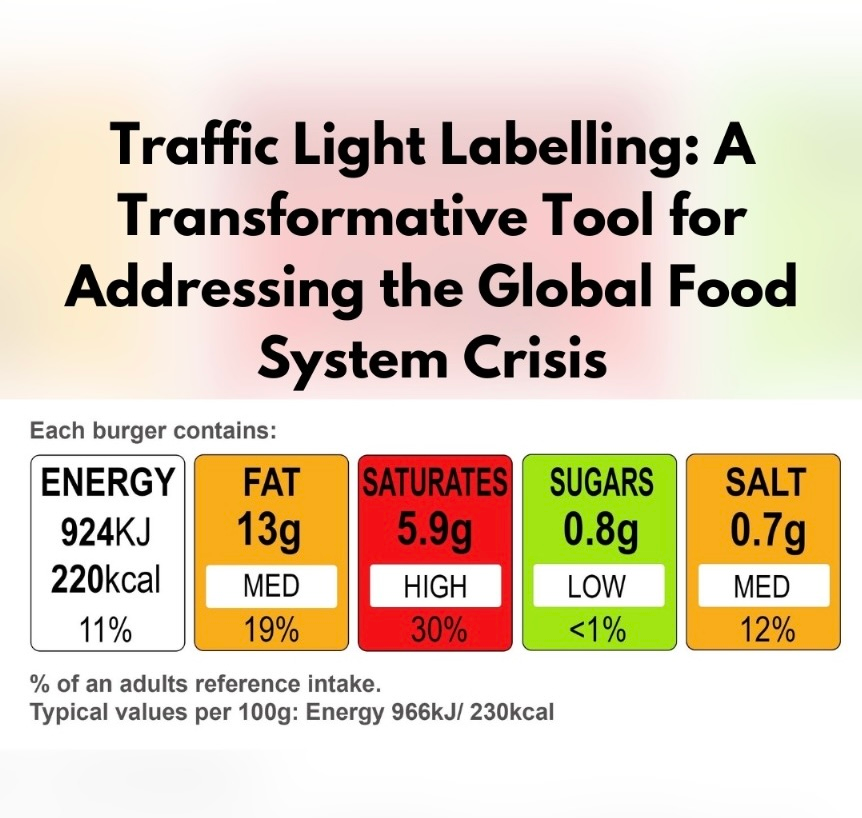
- Adopt Clear Labelling and Transparent Marketing: Manufacturers must adopt clearer labelling systems such as the traffic light system that highlights nutritional information, particularly the content of sugars, fats, and salt. This would allow consumers to make informed choices and reduce the consumption of harmful ingredients. Chile’s implementation of mandatory front-of-package warning labels and restrictions on marketing to children serves as a successful example of how food manufacturers can contribute to healthier food environments.
- Partnership with Governments to Reduce Risk: Manufacturers can work with governments to set nutrition standards for school meals, targeting reductions in sugar, salt, and unhealthy fats in products aimed at children. Unilever, for instance, has committed to reformulating its products to align with WHO guidelines on reducing salt and sugar, which can have a lasting impact on childhood nutrition.
What Consumers Can Do
Consumers also play a key role in preventing prediabetes by making healthier dietary choices. Here are some strategies for individuals and families:
- Prioritise Whole Foods: Consumers should focus on whole, minimally processed foods such as fruits, vegetables, whole grains, and lean proteins. By reducing the consumption of sugary beverages, fast food, and snacks, individuals can significantly lower their risk of insulin resistance and other metabolic issues.
- Engage in Nutrition Education: Raising awareness about the dangers of UPFs and the benefits of a balanced diet is crucial. Consumers can educate themselves through resources provided by public health campaigns, schools, and community programs. Governments and organisations like the World Health Organisation have made strides in promoting nutrition education, particularly in schools.
- Support Health-Conscious Food Choices: Consumers can drive change by supporting companies that prioritise health and sustainability, such as reformulating products or promoting ethical sourcing of ingredients. This also involves avoiding the consumption of foods with high sugar and salt content and opting for products with healthier ingredients and certifications.
Our Work at LIA
LIA (Less Is Adequate) is committed to revolutionising food environments in LMICs by empowering food manufacturers to reformulate their products for better public health outcomes. Our initiative is aimed at transforming the food industry by offering manufacturers the tools, expertise, and market insights they need to make healthier, reformulated products that align with global health standards. This is a critical step in addressing the rising rates of prediabetes in children, particularly among vulnerable populations in LMICs, where poor dietary patterns are a leading contributor to the growing incidence of insulin resistance and type 2 diabetes.