
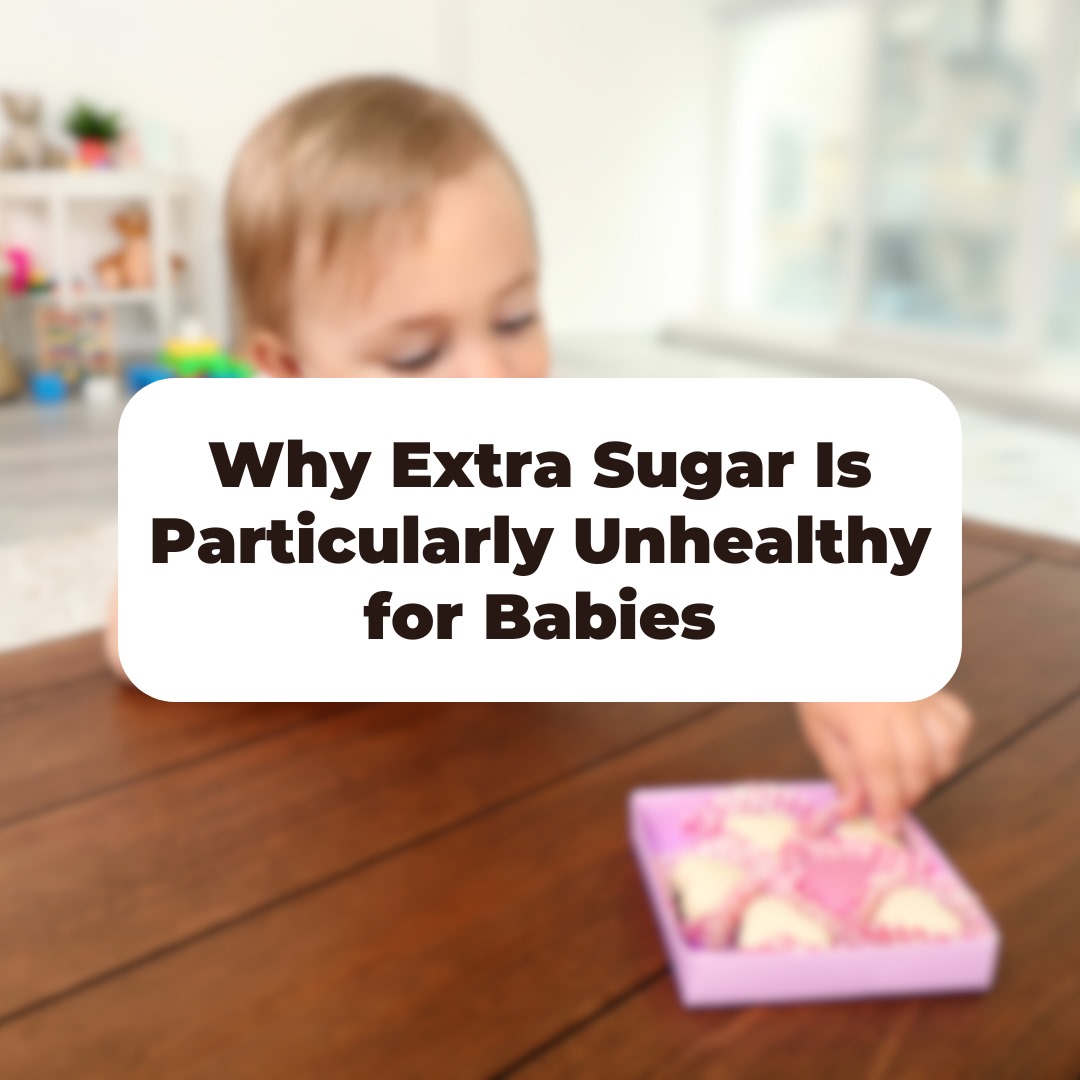
Obesity is a growing concern in low- and middle-income countries (LMICs), with Africa seeing a nearly 23% increase in the number of overweight children under five since 2000. In response to these rising rates, the World Health Organisation (WHO) has recommended a ban on added sugar in foods for babies and young children under three, aiming to reduce early exposure to unhealthy ingredients and promote healthier development from the start.
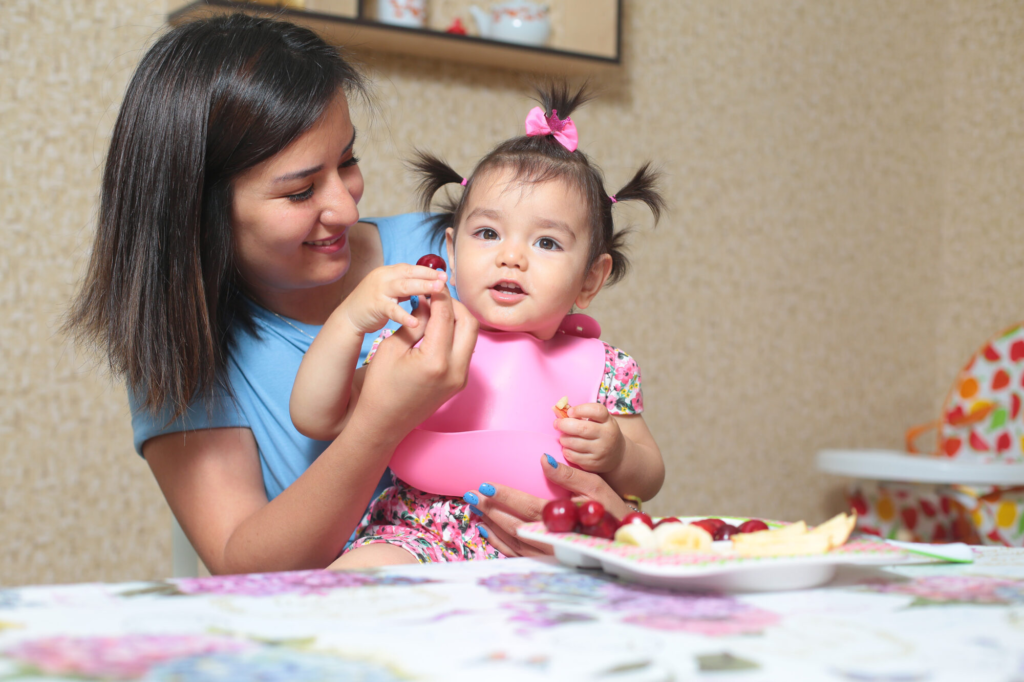
Sugar might seem harmless, but when it comes to babies, it can cause serious problems. Since babies are still growing and developing, extra sugar in their diet can have lasting effects. From messing with their taste preferences to leading to health issues later on, added sugar should be avoided during their early years.
Let’s take a closer look at how sugar affects babies;
Shaping Taste Preferences
One major reason why sugar is bad for babies is how it affects their taste buds. Studies show that babies exposed to sugar early are more likely to crave sweet foods as they age. This can make it harder for them to enjoy healthier foods like fruits and vegetables, which are crucial for their growth. Over time, these sugar cravings can lead to poor eating habits that stick with them throughout their lives.
This is supported by research from the American Academy of Pediatrics (AAP), which found that early exposure to sugary foods can alter children’s taste preferences and lead to increased intake of sweet foods in later life.
Missing Out on Important Nutrients
Babies need a lot of nutrients to grow and stay healthy, but sugary foods don’t offer much nutrition. When babies eat sugary snacks or drinks, they miss out on the essential vitamins and minerals they need. This can affect their overall health, including their immune system and brain development. Additionally, sugary foods can fill them up, leaving less room for the nutritious foods that will help them thrive. Over time, this can lead to weight problems. Too much sugar in a baby’s diet can increase the risk of obesity, which is linked to serious health issues like type 2 diabetes and heart disease later in life.

A study published in the Journal of Pediatrics highlighted that excessive sugar consumption can interfere with nutrient-dense foods, leading to poor overall diet quality. Consequently, babies who consume high amounts of added sugars may experience poor growth and developmental delays.
Disrupting Gut Health
The Food and Agriculture Organisation (FAO) highlights how important gut health is for babies. It helps with digestion, supports the immune system, and keeps them healthy overall. Breastfeeding for the first six months is the best way to build a strong gut. Breast milk contains good bacteria and nutrients that set the foundation for a healthy digestive system and strong immunity.

Source: herologyclass.com
After six months, when introducing other foods, it’s important to include a variety of nutrient-rich options like fruits, vegetables, grains, and proteins. This helps grow a diverse gut microbiome, which is great for digestion and immunity. The FAO also warns against too much-added sugar, as it can throw off the balance of gut bacteria and make babies more prone to infections.
In summary, starting with breastfeeding and moving to healthy, diverse foods is key to building good gut health for babies and keeping them strong as they grow.
Impact on Teeth
Sugar also harms babies’ teeth. Since their teeth are still developing, they are more prone to cavities. Sugar feeds bacteria in the mouth, and these bacteria produce acids that wear down tooth enamel. This can lead to dental issues that might require expensive treatment later on.

Source: indepedent.co.uk
According to The Centers for Disease Control and Prevention (CDC), cavities are one of the most common chronic diseases among children, and limiting sugar can significantly reduce the risk of dental decay.
Long-Term Health Risks
The dangers of extra sugar don’t end in childhood. Studies show that babies who eat too much sugar are more likely to develop obesity, diabetes, heart disease, and other chronic conditions as they grow. The habits they develop in early childhood often stick with them for life. By limiting sugar early, we can help set them up for a healthier future.
The WHO has also stated that reducing sugar intake is one of the most effective strategies for preventing obesity and non-communicable diseases, particularly among children. (WHO, 2015)
The Importance of Clear Labeling
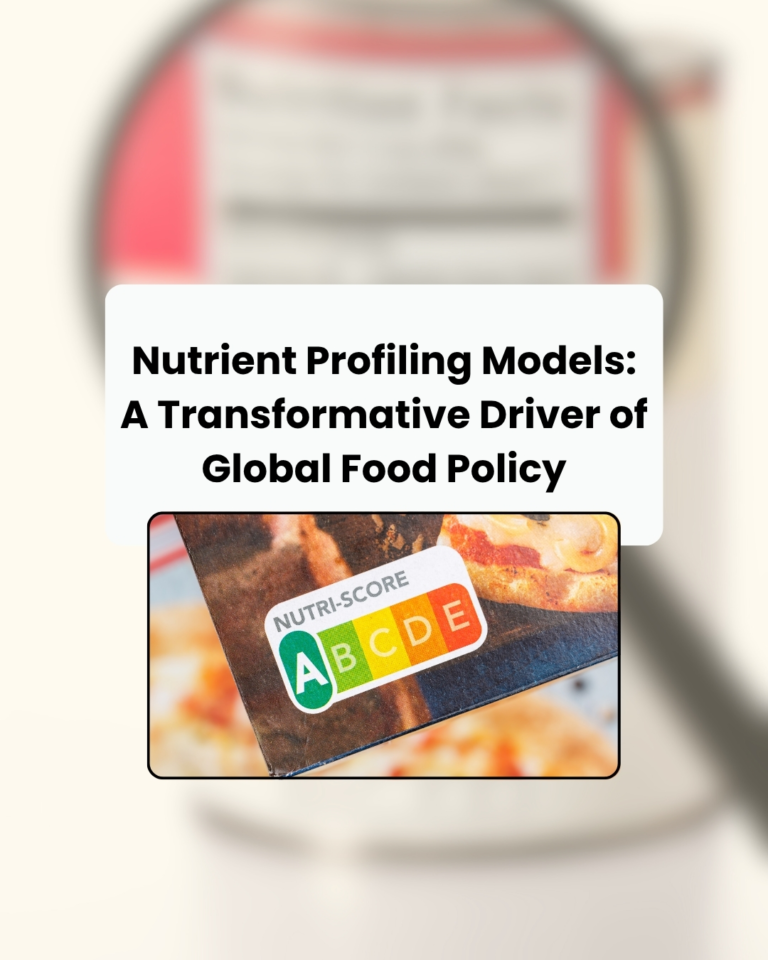
One of the most impactful ways to help parents make healthier choices is through clear and accurate food labelling. Many packaged foods, including those marketed for babies and young children, often contain hidden sugars. The ingredients list can be overwhelming, with sugars listed under different names like high-fructose corn syrup, honey, or agave syrup. Without a clear understanding of what these terms mean, parents may unknowingly expose their babies to added sugars.
In addition, some labels only mention “sugar” without specifying whether it’s naturally occurring or added sugar, making it difficult for parents to tell whether the product is a healthy choice or a sugary snack in disguise. The lack of transparency on food packaging leaves parents guessing about what’s in the products they buy for their children.

Source: makingsenseofsugar.com
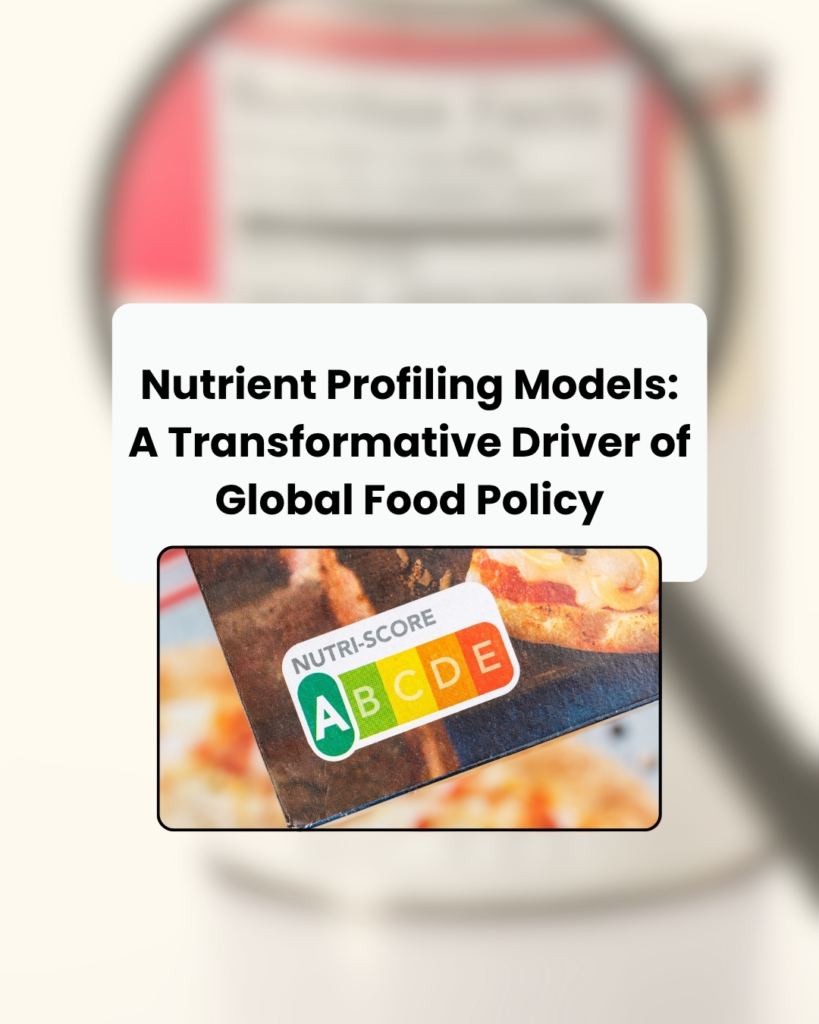
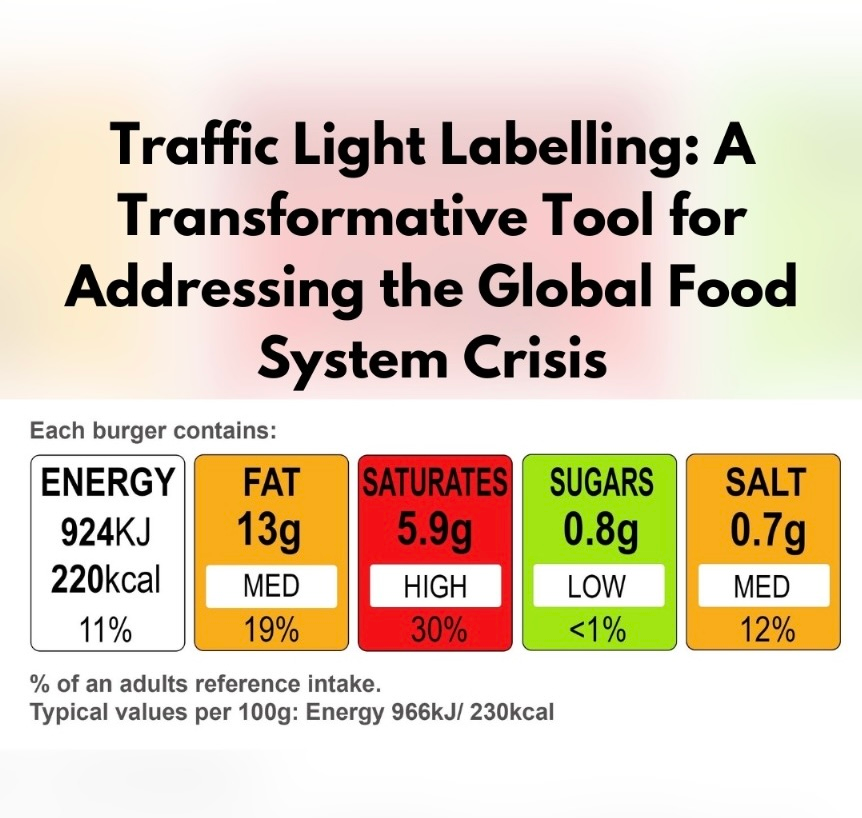
To address this, front-of-package labels should be much more visible and straightforward, clearly indicating how much added sugar is in the product. This would help parents avoid products with excessive amounts of sugar and make it easier to choose nutritious options. Imagine a bold warning label that highlights when a product has added sugar—this would help parents quickly spot which foods are not suitable for their babies.
Furthermore, clearer labelling can also encourage food manufacturers to create healthier alternatives that have less sugar and more nutritional value, knowing that consumers are demanding better transparency. This shift would promote healthier eating habits across the board and give parents the information they need to make informed decisions for their children’s health.
For more insights into how clear labelling can impact baby food choices, check out this guide on food labelling.
The Role of The Government and Health Organisations
Protecting babies from the risks of added sugar involves educating parents, setting sugar limits in baby foods, mandating clear warning labels, promoting breastfeeding, subsidising healthy foods, taxing sugary baby products, and restricting marketing targeted at young children. These are efforts that both the government and health organisations should lead.
Recent commendable efforts include:
- United States: The FDA’s 2023 guidance on reducing toxic elements in baby foods and the USDA’s updated school meal standards to cut added sugars.
- United Kingdom: Calls for stricter baby food guidelines to address high sugar content and the ban on junk food advertising before 9 pm, set to be implemented October next year
- WHO: 2023 guidelines recommending mandatory policies to limit the marketing of sugary, fatty, and salty foods to children.
These steps reflect a global push for healthier food options and better nutrition for infants.
Protecting babies from the harm caused by added sugars is something we all need to work on—parents, governments, and organisations alike. Clear labels, healthier food options, and better awareness can make a real difference. Every baby deserves the best start in life, and it’s up to us to make that happen!